
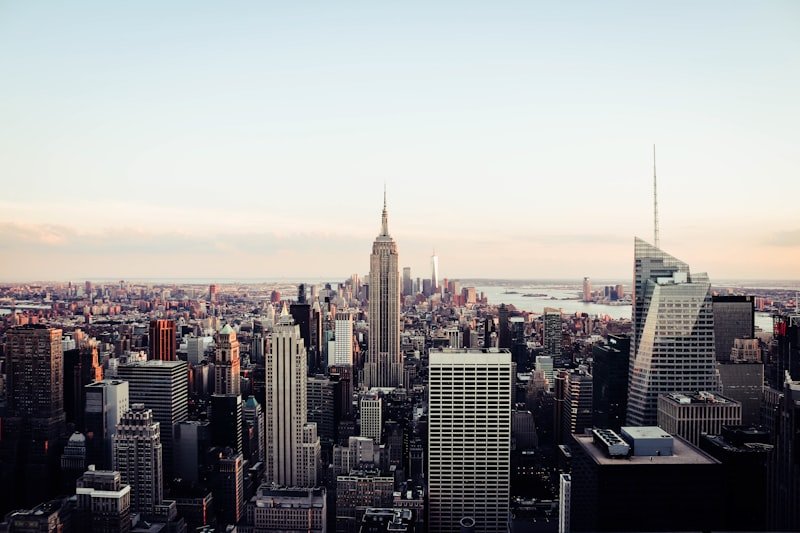
Parks, Bakeries, and Gyms — How One Island Redefines What It Means to Live Well
When people think of Manhattan, they do not typically think of health. The island’s reputation is built on ambition, speed, and the kind of relentless productivity that leaves little room for self-care. But look closer, and you will discover a borough that has quietly built one of the most comprehensive wellness ecosystems in any city on earth.
From the emerald expanse of Central Park to the corner bakeries that turn flour and water into art to the state-of-the-art fitness facilities that have transformed how New Yorkers move, Manhattan offers a lifestyle that balances high performance with genuine wellbeing. The key is understanding how these three elements — green space, nourishing food, and physical fitness — work together to create something greater than any one of them could achieve alone.
Whether you are a resident looking to optimize your daily routine or a visitor wanting to experience Manhattan beyond the usual tourist checklist, a comprehensive guide to Manhattan’s offerings will reveal options you never knew existed. Let us explore the three pillars of the healthy Manhattan lifestyle.
Parks: Manhattan’s Green Lifelines
Manhattan is the most densely populated county in the United States, with over 1.6 million people packed into roughly 23 square miles. By every logical measure, it should be a concrete wasteland devoid of natural beauty. That it is not — that it contains some of the most beloved and heavily used urban parks in the world — is a testament to visionary planning, sustained investment, and a population that refuses to accept the premise that density and nature are incompatible.
Central Park is, of course, the crown jewel. Designed by Frederick Law Olmsted and Calvert Vaux in the 1850s, the 843-acre park was revolutionary in its time and remains so today. It is not merely a patch of green — it is a carefully engineered landscape that includes meadows, woodlands, lakes, streams, formal gardens, performance spaces, sports facilities, and a zoo. Over 42 million people visit Central Park annually, making it the most visited urban park in the United States.
But Central Park is only the beginning. Manhattan’s park system extends far beyond its most famous green space. The High Line, an elevated park built on a disused freight rail line on Manhattan’s West Side, has become one of the most celebrated urban design projects of the 21st century. Stretching from the Meatpacking District to Hudson Yards, it offers a linear garden experience that combines native plantings, art installations, and some of the city’s best people-watching.
The full collection of parks throughout Manhattan includes spaces that serve every conceivable need. Battery Park at the island’s southern tip offers waterfront promenades and harbor views. Riverside Park stretches four miles along the Hudson River, providing running paths, playgrounds, and kayak launches. Washington Square Park in the heart of Greenwich Village serves as the neighborhood’s living room, hosting chess players, musicians, and NYU students between classes.
The Health Benefits of Urban Green Space
The health benefits of regular park use are well-documented and significant. Research consistently shows that people who live near green spaces have lower rates of cardiovascular disease, obesity, and depression. A study published in The Lancet found that urban green space is associated with reduced mortality across all income levels. For Manhattanites, whose apartments average under 700 square feet, parks serve as essential extensions of their living space — outdoor rooms where they exercise, socialize, and decompress.
The city’s investment in parks reflects this understanding. NYC Parks, the agency responsible for managing the city’s green spaces, operates on an annual budget of over $500 million and employs thousands of workers who maintain everything from baseball diamonds to botanical gardens. Recent initiatives have focused on equitable park access — ensuring that neighborhoods with historically underfunded green spaces receive the investment needed to bring them up to the standard set by Central Park and the High Line.
Parks as Fitness Infrastructure
Manhattan’s parks are not passive green spaces — they are active fitness infrastructure. Central Park alone contains 26 baseball fields, 6 tennis courts, a running track, an ice skating rink, and miles of paths used by runners, cyclists, and walkers daily. The loop road around the park’s interior is a 6.1-mile circuit that has become one of the most popular running routes in the world.
Outdoor fitness classes — yoga, boot camp, tai chi, and calisthenics — have proliferated across Manhattan’s parks. These sessions, often led by certified personal trainers who have built their businesses around outdoor training, provide affordable alternatives to expensive gym memberships. The communal aspect adds a social dimension that indoor gyms often lack — participants form ad hoc communities that extend beyond the workout itself.
Manhattan’s parks prove that urban density and access to nature are not opposing forces. When a city invests in green space, the returns — in health, in community, in quality of life — are immeasurable.
Bakeries: The Art of Honest Nourishment
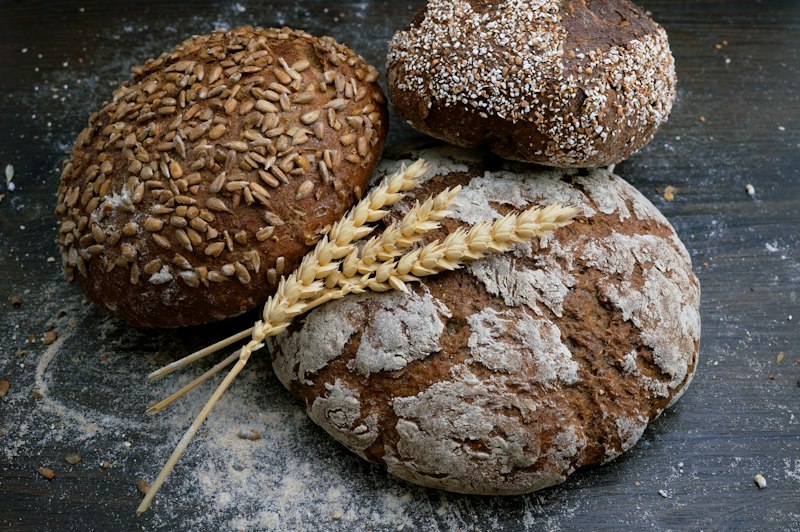
The word “bakery” does not do justice to what Manhattan’s best baking establishments have become. These are not mere retail outlets selling bread and pastries — they are craft operations where bakers apply the same rigor and creativity that chefs bring to fine dining. The sourdough movement, the revival of heritage grains, and the growing demand for locally sourced, minimally processed ingredients have elevated Manhattan’s bakery scene into something genuinely remarkable.
The range of baking traditions represented on the island is extraordinary. You can find French patisseries producing macarons and croissants with techniques imported directly from Paris. Jewish bakeries carrying on traditions that date back to the Lower East Side’s immigrant era, with bialys, rugelach, and challah that connect present-day New Yorkers to generations of bakers. Italian bakeries turning out sfogliatelle, cannoli, and crusty pane that rival anything found in Naples or Palermo.
For those exploring the full range of bakeries across Manhattan, the discovery process is its own reward. Each neighborhood has its own baking identity — the high-end patisseries of the Upper East Side, the artisan bread bakeries of Brooklyn-transplant Williamsburg, the old-school Italian shops of Arthur Avenue (technically the Bronx, but spiritually connected to Manhattan’s culinary world).
Baking and Community
Manhattan’s bakeries serve a community function that extends far beyond selling bread. A good neighborhood bakery is a daily ritual — the morning coffee and croissant that starts the day, the weekend loaf that anchors a family’s Sunday dinner, the birthday cake that a parent orders weeks in advance because the bakery’s version is the only one their child will accept.
The economic role of bakeries in Manhattan’s neighborhoods is significant. They are among the most labor-intensive small businesses on the island, employing bakers, counter staff, delivery drivers, and managers. They source ingredients from local distributors, creating supply chain connections that benefit the broader food economy. And they contribute to street life — a block with a bakery on it is a block where people stop, linger, and interact with their neighbors.
The health dimension of Manhattan’s bakery renaissance should not be overlooked. The shift toward whole grain flours, natural fermentation, reduced sugar, and plant-based ingredients means that today’s best Manhattan bakeries are producing products that are genuinely more nutritious than the mass-produced alternatives. Sourdough bread, for example, has a lower glycemic index than commercially produced white bread, and the fermentation process makes certain nutrients more bioavailable.
Gyms: The Fitness Revolution
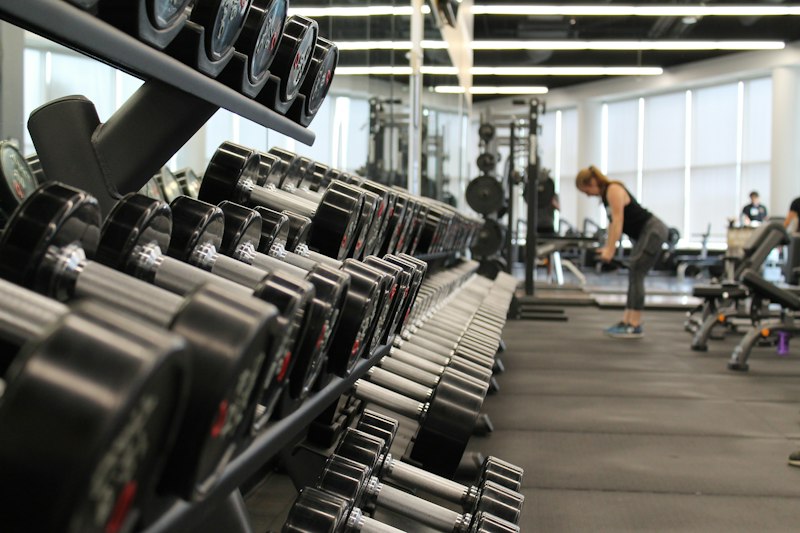
Manhattan’s fitness industry has undergone a complete transformation over the past two decades. The old model — a generic gym with rows of treadmills, a weight room, and a basic locker room — has been replaced by a diverse ecosystem of specialized fitness experiences that cater to every preference, body type, and budget.
At the high end, boutique fitness studios have become a defining feature of Manhattan’s wellness landscape. SoulCycle, Barry’s, Equinox, and dozens of independent studios offer immersive, instructor-led experiences that blur the line between exercise and entertainment. These studios charge premium prices — a single class can cost $35 to $45 — but they deliver an experience that has converted millions of Manhattanites from gym-avoiders to fitness enthusiasts.
The full spectrum of gyms and fitness facilities in Manhattan includes options for every budget and fitness level. Budget-friendly chains like Blink Fitness and Planet Fitness offer basic but well-maintained facilities at monthly rates under $30. Mid-range options like Crunch and New York Sports Clubs provide more equipment, classes, and amenities. And at the top, luxury fitness clubs like Equinox, with its marble locker rooms and rooftop pools, offer a lifestyle experience that extends well beyond the workout itself.
Specialized Fitness: Finding Your Practice
What makes Manhattan’s fitness scene truly distinctive is the depth of specialization. Whatever your preferred form of movement, Manhattan has a studio dedicated to it:
- Yoga — From traditional Ashtanga to heated Vinyasa to restorative yin, Manhattan’s yoga studios number in the hundreds. Studios like Yoga Vida, Pure Yoga, and Integral Yoga offer distinct approaches to the practice.
- Martial Arts — Brazilian Jiu-Jitsu, Muay Thai, boxing, and krav maga gyms serve Manhattan’s combative fitness enthusiasts. The island’s martial arts scene has grown dramatically alongside the popularity of MMA.
- Dance — Ballet barre workouts, contemporary dance classes, and salsa studios provide creative alternatives to traditional gym exercise. Dance-based fitness is particularly popular in neighborhoods with strong arts communities.
- Climbing — Indoor climbing gyms like Brooklyn Boulders (with Manhattan accessibility) and The Cliffs have attracted a growing community of urban climbers who use the sport for both physical fitness and mental focus.
- Swimming — While Manhattan’s geography makes outdoor swimming challenging, the island hosts several public and private pools that serve competitive swimmers, recreational lap swimmers, and families with children.
The Mental Health Dimension
Manhattan’s fitness revolution is not solely about physical appearance or athletic performance. There is a growing awareness that regular exercise is one of the most effective interventions for mental health, and Manhattan’s fitness community has embraced this understanding wholeheartedly. Studios increasingly incorporate mindfulness, breathwork, and meditation into their offerings. Post-workout recovery — including cryotherapy, infrared saunas, and float tanks — has become a significant industry in its own right.
The pressures of Manhattan life — the cost of living, the competitive work culture, the sensory overload of navigating one of the world’s most densely populated environments — make regular physical activity not just a lifestyle choice but a survival strategy. Manhattanites who maintain consistent fitness routines report lower stress levels, better sleep quality, and greater resilience in the face of the island’s relentless demands.
The healthiest Manhattanites are not those who spend the most on personal trainers or eat the most restrictive diets. They are the ones who have built sustainable routines that integrate movement, nourishment, and nature into their daily lives.
The Integrated Lifestyle
The real magic happens when parks, bakeries, and gyms are integrated into a coherent daily routine. Consider a Saturday in Manhattan:
- 7:00 AM — A morning run through Riverside Park, following the Hudson River path as the sun rises over New Jersey.
- 8:30 AM — A stop at a neighborhood bakery for a sourdough loaf and a cappuccino, enjoyed at a sidewalk table while watching the neighborhood wake up.
- 10:00 AM — A strength training session at a local gym, guided by a trainer who has tailored the program to the runner’s specific needs.
- 12:00 PM — A picnic in Central Park with the morning’s bakery purchases, supplemented with cheese and fruit from a nearby market.
- 3:00 PM — An afternoon yoga class at a neighborhood studio, focused on hip and hamstring flexibility to complement the morning’s running and lifting.
This is not a fantasy itinerary — it is a completely achievable Saturday for any Manhattanite willing to explore the resources available in their own neighborhood. The island’s density means that all of these activities can be accomplished within a reasonable walking or biking distance, eliminating the car-dependent logistics that make similar routines difficult in less compact cities.
Getting Started
For those new to Manhattan — whether as residents or extended visitors — building a healthy lifestyle starts with understanding what is available. A complete Manhattan resource directory provides the information needed to identify the parks, bakeries, and gyms that match your preferences and location.
The investment in discovering these resources pays dividends that compound over time. A regular park routine reduces stress. A relationship with a neighborhood bakery provides daily nourishment and social connection. A consistent gym practice builds physical and mental resilience. Together, they create a foundation for a life that is not just productive but genuinely well-lived — even in the most demanding city on earth.