
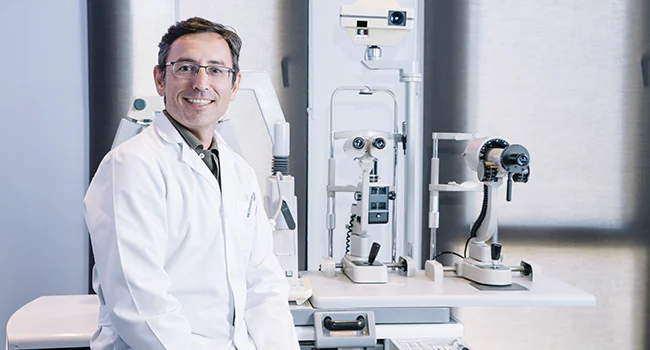
LASEK is a modern laser eye surgery procedure designed to reduce dependence on glasses or contact lenses by reshaping the cornea. For people considering vision correction in Pretoria, understanding how LASEK works, its potential benefits, and the recovery process can make the decision easier. While LASEK and LASIK are both laser vision correction procedures, they use different approaches to reach the cornea. Anyone considering treatment should have a comprehensive eye examination and discuss their individual suitability with a qualified eye-care professional.
What Is LASEK Eye Surgery?
LASEK, or Laser-Assisted Sub-Epithelial Keratomileusis, is a type of refractive surgery used to correct common vision problems such as short-sightedness, long-sightedness, and certain forms of astigmatism. The procedure changes the shape of the cornea so that incoming light can focus more accurately on the retina.
Unlike traditional LASIK, LASEK does not create a deeper corneal flap. Instead, the surgeon works with the thin epithelial layer covering the cornea. This can make LASEK an option for some people who may not be ideal candidates for conventional LASIK because of factors such as relatively thin corneas.
When exploring laser vision correction, patients may also search for services under the term Lasik Pretoria. Although LASIK and LASEK have important differences, both belong to the broader category of laser refractive surgery and require careful assessment before treatment.
How Does the LASEK Procedure Work?
The first step is a detailed eye examination. The specialist evaluates the patient’s prescription, corneal thickness, corneal shape, tear-film health, eye health, and overall suitability for laser surgery. Accurate measurements are important because laser treatment needs to be tailored to the individual eye.
During LASEK surgery, the surgeon gently loosens the epithelial layer on the surface of the cornea. The underlying corneal tissue is then exposed, allowing an excimer laser to precisely reshape the cornea according to the patient’s prescription.
After the laser treatment, the epithelial layer is repositioned or allowed to heal naturally, depending on the surgical technique. A protective contact lens may be placed over the eye temporarily to support healing and improve comfort during the initial recovery period.
The procedure itself is generally relatively quick, but the overall experience includes preparation, measurements, treatment, and postoperative monitoring. Patients should follow every instruction provided by their eye-care team.
Who May Benefit From LASEK?
LASEK can be considered by adults who want to reduce their dependence on corrective lenses and meet the medical requirements for refractive surgery. However, not everyone is suitable for the procedure.
People with certain corneal characteristics may be considered for LASEK when another laser procedure is less appropriate. It may also be discussed with individuals whose lifestyles make them concerned about the risks associated with a corneal flap, particularly in activities where significant eye trauma could occur.
Suitability depends on much more than a glasses prescription. Dry-eye symptoms, corneal irregularities, eye diseases, medications, previous surgeries, and general eye health can all influence whether LASEK is recommended.
Potential Benefits of LASEK
One of the most appealing benefits of LASEK is the potential to achieve clearer functional vision without relying as heavily on glasses or contact lenses. For many patients, this can provide greater convenience during work, exercise, travel, and everyday activities.
Because LASEK does not involve creating a traditional LASIK-style corneal flap, it can be an alternative for selected patients with thinner corneas or other anatomical considerations. The procedure also uses advanced laser technology to reshape the cornea with a high degree of precision.
Another advantage is that the treatment can be customized according to the patient’s specific refractive error. However, outcomes vary from person to person, and laser surgery cannot guarantee perfect vision or eliminate the future need for glasses in every situation.
LASEK Recovery: What to Expect
Recovery from LASEK generally takes longer than recovery from LASIK because the surface epithelial cells need time to regenerate. During the first few days, patients may experience discomfort, watering, sensitivity to light, blurred vision, or a sensation similar to having something in the eye.
A protective contact lens may remain in place while the surface heals. Prescribed eye drops are commonly used during recovery, and patients should use them exactly as directed.
Vision often improves progressively rather than immediately. It is normal for visual clarity to fluctuate during the early healing period. Although many people experience significant improvement over time, complete stabilization can take several weeks or longer.
Patients should avoid rubbing their eyes and should follow instructions regarding swimming, strenuous activities, makeup, and other activities that could interfere with healing. Follow-up appointments are essential because the surgeon needs to monitor the cornea and ensure recovery is progressing appropriately.
LASEK Compared With LASIK
LASEK and LASIK share the same basic objective: reshaping the cornea to improve the way light focuses on the retina. The major difference is how the surgeon accesses the corneal tissue.
LASIK creates a corneal flap before reshaping the underlying tissue. LASEK works with the surface epithelial layer instead. LASIK often offers faster early visual recovery, while LASEK can be considered for certain patients whose corneal characteristics make another procedure less suitable.
Searching for Lasik Pretoria may therefore lead patients to a range of refractive surgery options. Rather than choosing a procedure based solely on convenience or recovery speed, patients should receive individualized advice from a qualified eye surgeon.
Understanding Possible Risks and Side Effects
As with any surgical procedure, LASEK carries potential risks. Temporary dryness, glare, halos, light sensitivity, fluctuating vision, and discomfort can occur during recovery. Some patients may experience slower healing or require additional treatment.
Although serious complications are uncommon, they can occur. The possibility of under-correction, over-correction, infection, corneal haze, or other visual complications should be discussed during the consultation.
A thorough preoperative assessment helps identify risk factors and determine whether the expected benefits outweigh the potential disadvantages for an individual patient.
Choosing LASEK Treatment in Pretoria
When considering LASEK in Pretoria, the quality of the assessment and follow-up care is just as important as the technology used during surgery. Patients should look for an appropriately qualified ophthalmologist with experience in refractive procedures.
A consultation should provide an opportunity to ask about the surgeon’s experience, the technology used, expected recovery, possible complications, aftercare, and alternative treatments. Patients should also provide complete information about their eye history and any previous procedures.
Preparing for a Successful Recovery
Good preparation can make the recovery period more manageable. Patients should arrange transportation after surgery if necessary, obtain prescribed medications and eye drops beforehand, and plan several quieter days following treatment.
Following postoperative instructions carefully is one of the most important parts of recovery. Regular follow-up examinations allow the eye-care team to identify healing problems early and make adjustments to treatment when needed.
Making an Informed Decision
LASEK can provide meaningful vision improvement for appropriately selected patients, but it is not automatically the best procedure for everyone. The ideal treatment depends on corneal anatomy, prescription, eye health, lifestyle, expectations, and other individual factors.
For people researching laser eye surgery in Pretoria, understanding the distinction between LASEK and Lasik Pretoria services is a useful starting point. A comprehensive examination with a qualified eye specialist remains the most reliable way to determine whether LASEK is appropriate and what results can reasonably be expected.
With appropriate patient selection, advanced surgical techniques, and careful postoperative care, LASEK can be an effective option for correcting refractive errors and reducing dependence on corrective eyewear.