
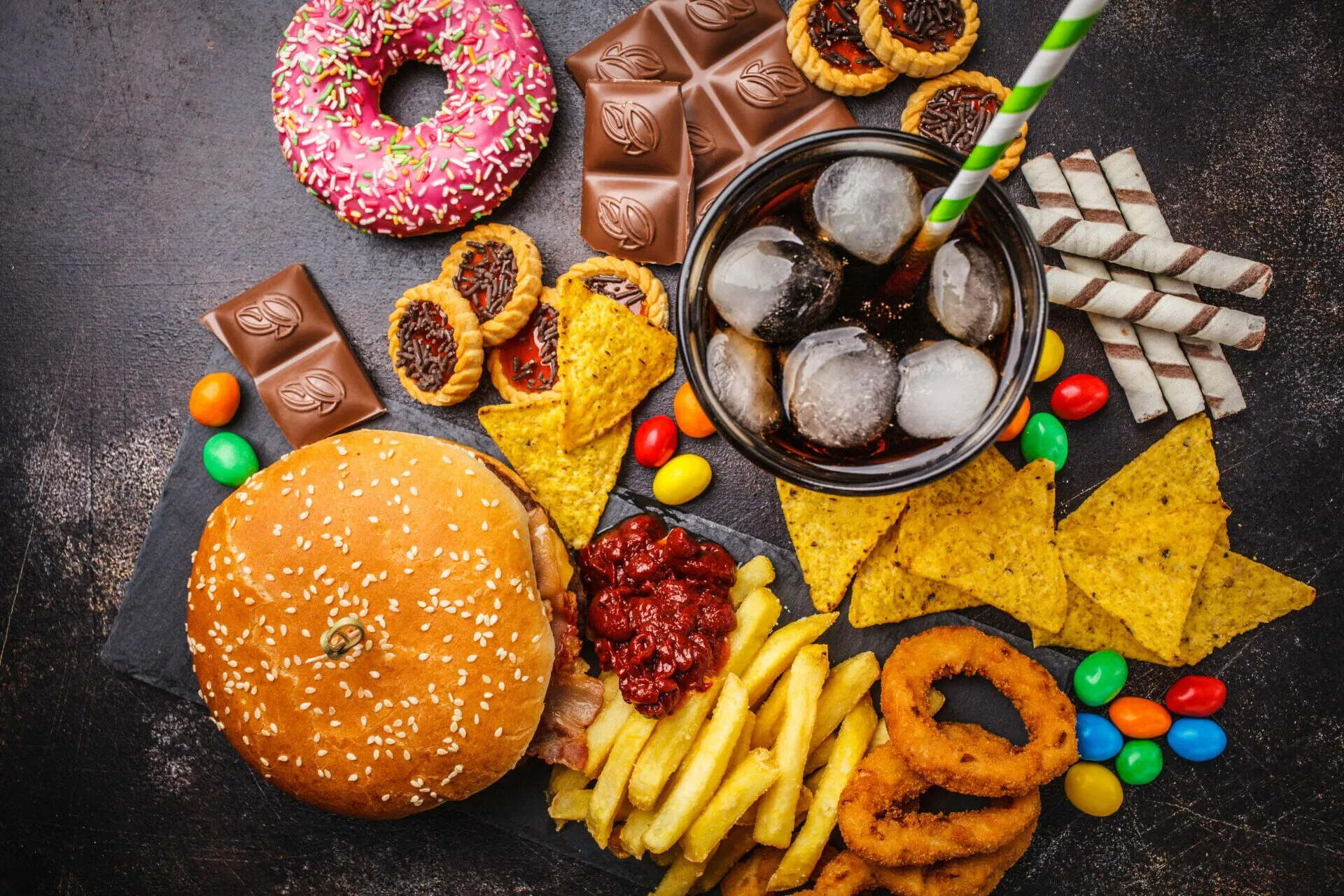
Understanding Why Craving Foods Happen
Craving foods is a common experience that affects nearly everyone, regardless of age, lifestyle, or diet plan. One moment you may feel committed to healthy eating, and the next moment you suddenly want sugary snacks, salty chips, or fast food. These sudden shifts in appetite are not random. They are influenced by a combination of biological, psychological, and environmental factors that work together to shape your eating behavior.
Craving foods often signal that your body or mind is trying to communicate something. It may be a nutritional need, an emotional trigger, or simply a response to habits built over time. Understanding these signals is the first step in managing diet fluctuations and building a more balanced eating pattern.
Biological Reasons Behind Craving Foods
One of the main reasons people experience craving foods is due to internal biological changes. Your body is constantly regulating hormones, blood sugar levels, and nutrient balance, and any disruption can lead to sudden hunger signals.
When blood sugar drops, the brain quickly signals a need for quick energy. This is why sugary or carbohydrate-rich foods often become the target of cravings. Similarly, lack of protein or healthy fats in the diet can leave you feeling unsatisfied, increasing the urge to eat more frequently.
Hormones such as ghrelin and leptin also play a major role. Ghrelin increases hunger, while leptin signals fullness. When these hormones are imbalanced due to poor sleep, stress, or irregular eating patterns, craving foods becomes more intense and frequent.
Nutrient deficiencies can also contribute. For example, low magnesium levels may lead to chocolate cravings, while sodium deficiency can trigger a desire for salty snacks. These signals are the body’s way of trying to restore balance.
Emotional Triggers That Lead to Craving Foods
Emotions are deeply connected to eating behavior, and craving foods often arise during emotional highs or lows. Stress, sadness, boredom, and even happiness can trigger the desire to eat certain comfort foods.
Stress eating is one of the most common patterns. When you are stressed, your body releases cortisol, a hormone that increases appetite and encourages cravings for high-calorie foods. These foods temporarily boost dopamine, the brain’s “feel-good” chemical, creating a cycle of emotional dependency.
Boredom is another powerful trigger. When the mind is not engaged, food becomes a source of stimulation. This is why people often find themselves snacking without realizing they are not actually hungry.
Comfort eating also plays a role. Many individuals associate certain foods with positive memories, such as childhood meals or celebrations. These emotional associations make craving foods stronger during moments of emotional vulnerability.
Environmental Influences on Craving Foods
The environment around you has a strong impact on your eating habits. Modern food environments are designed in a way that makes craving foods more frequent and harder to resist.
Advertising plays a major role in shaping preferences. Images of burgers, desserts, and snacks can trigger hunger even when you are not physically hungry. The constant exposure to food content on social media also reinforces these cravings.
Accessibility is another factor. When unhealthy snacks are easily available at home, work, or nearby stores, you are more likely to consume them. The convenience of processed foods makes it easier to act on cravings immediately.
Social settings also influence eating behavior. When people around you are eating, especially indulgent foods, it becomes harder to resist. This social eating pattern can lead to unexpected shifts in your diet.
Lifestyle Factors That Increase Craving Foods
Daily habits and lifestyle choices significantly affect how often you experience craving foods. Poor sleep is one of the biggest contributors. When you do not get enough rest, your body produces more ghrelin and less leptin, increasing hunger and reducing satisfaction after eating.
Irregular meal patterns can also disrupt appetite regulation. Skipping meals often leads to intense hunger later in the day, making it more likely to reach for unhealthy options.
Lack of physical activity can affect metabolism and energy balance, leading to increased cravings. On the other hand, regular exercise helps regulate appetite hormones and reduces the intensity of cravings over time.
Dehydration is another overlooked factor. Sometimes the brain confuses thirst with hunger, leading to unnecessary eating. Staying hydrated can reduce unnecessary craving foods episodes.
Psychological Habits That Reinforce Craving Foods
Beyond biology and environment, psychological habits also play a key role in craving foods. One of the most common patterns is habitual eating. When you repeatedly eat certain foods at specific times or situations, your brain forms associations that trigger automatic cravings.
Reward-based eating is another factor. Many people use food as a reward after completing tasks or achieving goals. Over time, this reinforces the idea that food equals reward, increasing cravings during stressful or challenging situations.
Mindless eating also contributes significantly. Eating while watching TV, scrolling on your phone, or working reduces awareness of fullness signals, making it easier to overeat and develop stronger cravings later.
How to Manage Craving Foods Effectively
Managing craving foods does not mean eliminating them completely. Instead, it involves understanding triggers and making healthier choices that support balance.
One effective strategy is to maintain balanced meals that include protein, fiber, and healthy fats. These nutrients help stabilize blood sugar levels and reduce sudden hunger spikes.
Practicing mindful eating can also help. Paying attention to hunger signals, chewing slowly, and avoiding distractions allows you to recognize when you are truly full.
Improving sleep quality and managing stress levels can significantly reduce hormonal imbalances that trigger cravings. Even small changes in daily routine can make a noticeable difference.
Another helpful approach is keeping healthy snacks available. Replacing processed snacks with fruits, nuts, or yogurt can satisfy cravings without disrupting your diet.
Conclusion: Understanding Craving Foods for Better Control
Craving foods are a natural part of human behavior influenced by a complex mix of biological signals, emotional states, environmental exposure, and lifestyle habits. Instead of viewing cravings as a weakness, they should be seen as signals that provide insight into your body and mind.
By understanding why craving foods occur, you can take proactive steps to manage them more effectively. Balanced nutrition, emotional awareness, and healthy routines all contribute to reducing unexpected diet shifts and building a more stable relationship with food.