
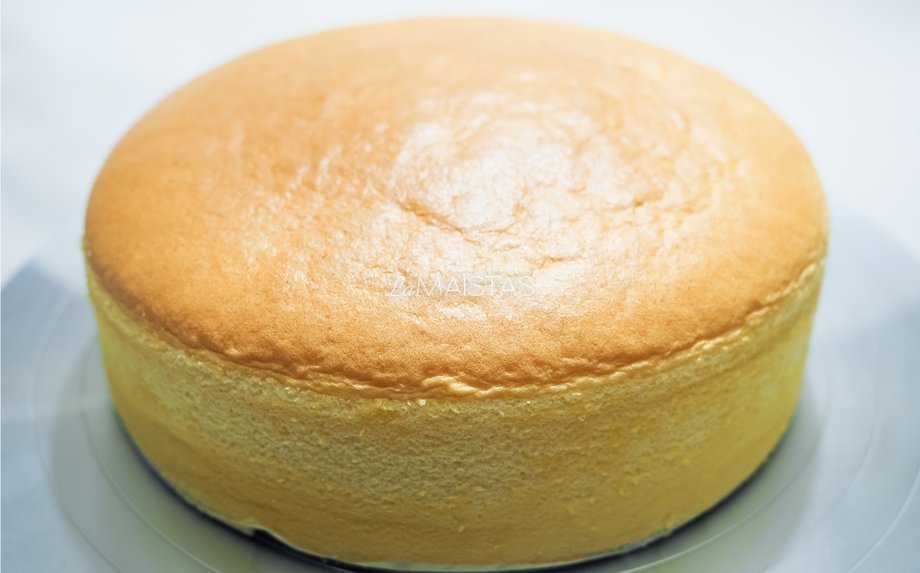
Classic biskvitas is a light, airy sponge cake that has earned a place in many European kitchens because of its simple ingredients, delicate texture, and versatility. Often enjoyed with tea or coffee, this traditional-style cake can be served plain, dusted with powdered sugar, layered with cream, or paired with fresh fruit. Although the recipe uses everyday ingredients, achieving the ideal biskvitas requires attention to mixing, baking temperature, and ingredient proportions.
What Is Biskvitas?
Biskvitas is essentially a sponge cake characterized by its soft crumb and gently springy texture. The name is commonly associated with sponge-style cakes in Lithuanian and other regional culinary traditions. Unlike heavier butter cakes, classic biskvitas gets much of its volume from whipped eggs, making proper preparation especially important.
A well-made biskvitas should feel light rather than dense. It can be enjoyed as a simple dessert, used as a foundation for layered cakes, or transformed with fillings and toppings for birthdays, celebrations, and family gatherings.
Classic Biskvitas Ingredients
The traditional ingredient list is relatively short. Eggs, sugar, flour, and vanilla are the foundation of the cake. Some recipes also include baking powder, a small amount of salt, or lemon zest to enhance flavor and texture.
Eggs are particularly important because whipped eggs help create the characteristic airy structure. Fresh eggs at room temperature generally whip more effectively than very cold eggs. Granulated sugar provides sweetness while also contributing to the stability of the whipped mixture.
All-purpose flour can work well, although cake flour may produce an even softer crumb. Vanilla extract adds a pleasant aroma, while lemon zest can provide a subtle citrus note. When desired, a small amount of baking powder can provide additional lift, although recipes based primarily on whipped eggs may require very little.
Preparing the Batter
Begin by preparing the baking pan and preheating the oven. Proper preparation prevents the delicate cake from sticking and ensures that the batter enters a fully heated oven.
Separate the eggs if the chosen recipe calls for separate whipping. Beat the egg whites until they become foamy, then gradually add sugar while continuing to beat until the mixture becomes glossy and forms firm peaks. In another bowl, combine the yolks with vanilla and any additional flavoring.
The dry ingredients should be sifted before being incorporated. Sifting removes lumps and helps distribute the flour evenly throughout the batter. This step also makes it easier to fold the flour into the eggs without overmixing.
Fold the dry ingredients gently into the whipped eggs. Avoid vigorous stirring because excessive mixing can remove the air that gives biskvitas its light structure. Use a spatula and fold from the bottom upward until the flour is just incorporated.
Baking Tips for Light and Fluffy Biskvitas
One of the most important preparation tips is to avoid opening the oven door too early. A sudden drop in temperature can cause a sponge cake to collapse before its structure has fully set.
Bake the cake according to the recipe’s recommended temperature and begin checking for doneness near the end of the suggested baking time. The surface should appear lightly golden and should spring back gently when touched.
A toothpick inserted into the center should come out clean or with only a few moist crumbs. If the cake remains in the oven too long, it may lose moisture and become dry.
Once baked, allow the cake to cool appropriately before removing it from the pan. Cooling too quickly or handling the warm cake roughly can affect its shape.
Common Mistakes to Avoid
A frequent mistake when preparing biskvitas is under-whipping or over-whipping the eggs. If the eggs are not sufficiently aerated, the finished cake may be dense. If they are beaten excessively or handled improperly, their structure can become unstable.
Another common problem is adding flour too aggressively. Stirring instead of folding can deflate the batter. Measuring flour accurately is also important because too much flour can produce a heavy texture.
Incorrect oven temperature can create additional problems. An oven that is too hot may brown the outside before the center is properly cooked, while a temperature that is too low can result in poor rise and a dense crumb.
How to Make Biskvitas More Flavorful
Classic biskvitas has a mild flavor, which makes it an excellent base for different variations. Vanilla is a traditional choice, but lemon zest, orange zest, almond flavoring, or a small amount of cinnamon can introduce a different character.
Fresh berries can also be incorporated into the serving presentation. Strawberries, raspberries, blueberries, and sliced peaches complement the delicate cake particularly well. For a richer dessert, whipped cream or lightly sweetened mascarpone can be added between layers.
Chocolate lovers can add cocoa powder to a carefully adjusted recipe or serve the finished cake with chocolate sauce. The goal is to enhance the sponge without overpowering its light texture.
Serving Ideas for Classic Biskvitas
One of the easiest ways to serve biskvitas is to keep it simple. A light dusting of powdered sugar provides sweetness while allowing the natural flavor of the cake to remain the focus. A cup of coffee or tea makes an excellent accompaniment.
For a more elegant presentation, slice the cake horizontally and add whipped cream with fresh fruit. A thin layer of berry preserves can provide both moisture and a pleasant contrast to the soft sponge.
Biskvitas can also become the foundation of a celebration cake. Multiple layers can be combined with pastry cream, fruit fillings, chocolate ganache, or whipped cream. Covering the finished cake with a thin layer of cream and decorating it with berries creates an attractive dessert without requiring complicated decoration skills.
Storing Biskvitas Properly
Proper storage helps maintain the cake’s soft texture. Once completely cooled, plain biskvitas can be stored in an airtight container at room temperature for a short period. If the cake contains fresh cream, custard, or other perishable fillings, refrigeration is necessary.
For longer storage, the unfilled sponge can be wrapped securely and frozen. Thaw it gradually before adding fillings or toppings. Keeping the cake protected from dry air is essential because sponge cakes can lose moisture quickly.
Why Biskvitas Remains a Classic
The enduring appeal of biskvitas comes from its balance of simplicity and versatility. The basic cake does not require an elaborate ingredient list, yet it can be adapted for everyday desserts and special occasions alike. Its light texture makes it suitable for pairing with fruit, cream, preserves, chocolate, or simply powdered sugar.
Learning to prepare classic biskvitas also teaches several useful baking techniques, including whipping eggs, folding flour, controlling oven temperature, and judging when a sponge cake is properly baked. Once these fundamentals are mastered, the recipe can serve as a foundation for countless variations.
Final Thoughts
Classic biskvitas is a straightforward yet rewarding sponge cake that depends more on careful technique than complicated ingredients. Fresh eggs, accurately measured flour, gentle folding, and consistent baking are the keys to producing a soft and airy result. Whether served plain with powdered sugar or transformed into a layered dessert with cream and fruit, biskvitas offers a flexible way to enjoy a timeless homemade cake.