
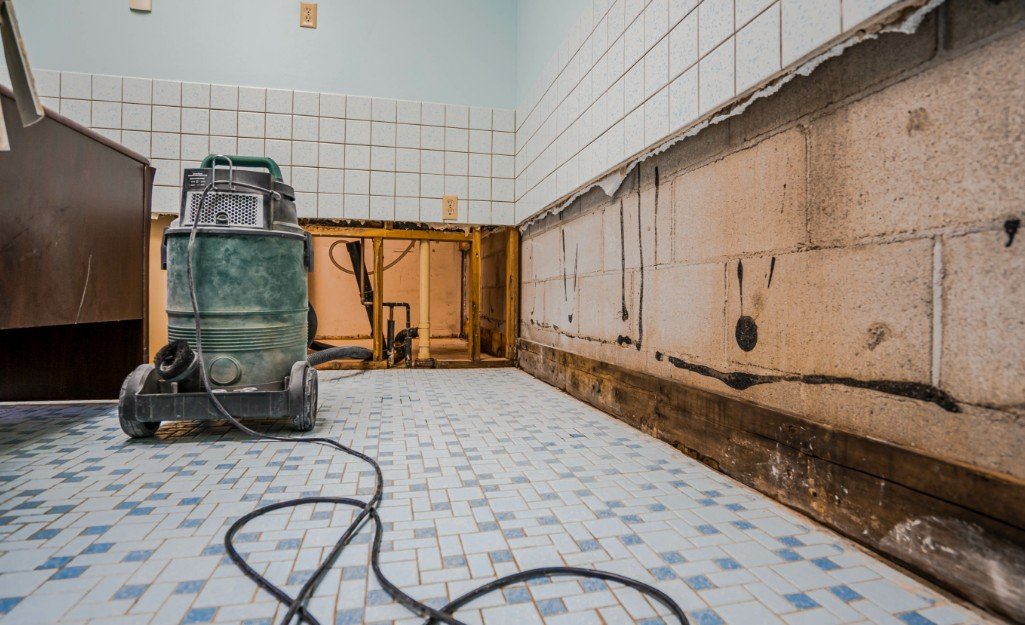
Water damage can strike suddenly, whether from a burst pipe, severe storm, or accidental overflow. The immediate effects are often obvious: wet floors, damaged walls, and ruined possessions. However, the long-term consequences can be far more severe, leading to structural damage, mold growth, and costly repairs. This is where professional water damage restoration becomes crucial. Understanding the best practices and expert tips for water damage restoration can save homeowners both money and stress while ensuring their property remains safe and habitable.
Understanding Water Damage Restoration
Water damage restoration is a specialized process aimed at repairing, restoring, and preventing further damage caused by water intrusion. This can include everything from minor leaks to significant flooding events. Professional restoration services focus on mitigating damage quickly, minimizing long-term problems, and restoring your property to its pre-loss condition.
The process of water damage restoration begins with a thorough assessment of the affected areas. Professionals identify the source of water, the extent of damage, and potential risks such as mold contamination or structural weaknesses. By conducting a detailed evaluation, restoration experts can develop a tailored plan to address the specific needs of each property.
Immediate Steps for Effective Water Damage Restoration
Acting swiftly after water damage occurs is critical. The longer water remains in contact with building materials, the more severe the damage becomes. Immediate steps in water damage restoration include stopping the source of water, removing standing water, and beginning the drying process.
Water extraction is a key component of the restoration process. Professionals use specialized equipment such as industrial pumps and wet vacuums to remove large volumes of water efficiently. Quick water removal reduces the risk of warped floors, damaged walls, and compromised electrical systems.
Once the bulk of the water is removed, the next step involves drying and dehumidification. Air movers, dehumidifiers, and moisture meters are used to ensure that hidden moisture is eliminated. Proper drying is essential to prevent mold growth, which can develop within 24 to 48 hours after water exposure.
Preventing Long-Term Damage
Even after visible water has been removed, hidden damage can persist in walls, flooring, and structural components. Professional water damage restoration focuses on preventing long-term issues through several key strategies.
One of the primary concerns is mold prevention. Mold thrives in damp environments and can cause health problems as well as structural damage. Restoration experts apply antimicrobial treatments and ensure that all surfaces are thoroughly dried to inhibit mold growth.
Another critical aspect of long-term prevention is structural assessment. Water can weaken wooden beams, compromise drywall, and damage insulation. Restoration professionals inspect all structural elements and perform necessary repairs to maintain the integrity of the building.
Additionally, water damage restoration includes documenting and repairing affected areas. This may involve replacing damaged drywall, flooring, or furniture, and restoring affected electrical and plumbing systems. By addressing these issues promptly, homeowners can avoid costly repairs in the future.
The Importance of Hiring Professionals
While some minor water incidents can be managed with DIY methods, professional water damage restoration is essential for comprehensive recovery. Experts have the knowledge, experience, and equipment to handle both visible and hidden damage. They also follow industry-standard protocols to ensure that properties are restored safely and effectively.
Professional restoration services also provide peace of mind. Attempting to manage water damage without expertise can lead to overlooked problems, such as hidden moisture, mold, or compromised structural components. By hiring certified water damage restoration specialists, homeowners can ensure that all potential risks are addressed and that the property is fully restored.
Tips for Homeowners
Homeowners can take several proactive steps to support water damage restoration and prevent future incidents. Regular maintenance, such as checking for leaks, cleaning gutters, and inspecting the roof, can reduce the likelihood of water intrusion.
It is also advisable to invest in moisture detection tools, such as humidity monitors and leak sensors. These devices can alert homeowners to potential water problems before they escalate into serious damage.
Finally, knowing when to call professionals is key. Any significant water intrusion, persistent dampness, or visible signs of mold should trigger immediate contact with a water damage restoration service. Early intervention is crucial in preventing long-term damage and safeguarding the property.
Conclusion
Water damage restoration is not just about fixing what is visible; it is about preventing long-term consequences that can compromise the safety, health, and value of a property. Acting quickly, understanding the restoration process, and relying on expert services are essential steps for effective recovery. By following professional tips and implementing preventative measures, homeowners can minimize damage, control costs, and ensure a safe living environment.
In the face of water damage, time is of the essence. Prompt, professional water damage restoration protects your home from prolonged harm, preserves structural integrity, and maintains a healthy environment. Investing in expert restoration today can save homeowners significant stress and expense tomorrow, making it an essential aspect of property care and maintenance.
Water damage restoration is more than a repair; it is a critical investment in the long-term health and resilience of your home.