
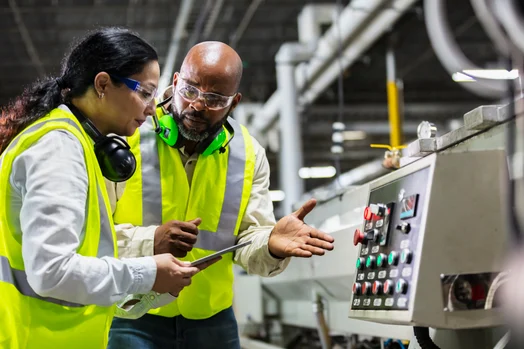
The manufacturing sector is undergoing a profound transformation, driven by automation, advanced robotics, artificial intelligence, and sustainability initiatives. These changes are reshaping not just production processes but also the strategies used to attract and retain top talent. In 2026, companies that want to stay competitive will need to rethink manufacturing recruitment by embracing innovative approaches and adapting to evolving workforce expectations.
Understanding the Shifting Landscape of Manufacturing Talent
The traditional perception of manufacturing jobs as physically demanding and low-skilled is no longer accurate. Modern manufacturing roles increasingly require specialized technical skills, critical thinking, and adaptability to new technologies. This shift is changing the talent pool that companies are trying to attract. Candidates now look for employers who offer continuous learning, technological engagement, and career growth opportunities.
Effective manufacturing recruitment in this environment starts with understanding the motivations and expectations of the workforce. Millennials and Gen Z employees, who make up a growing portion of the workforce, prioritize flexibility, meaningful work, and opportunities for innovation. Companies that fail to address these preferences risk losing top talent to more forward-thinking competitors.
Leveraging Technology in Manufacturing Recruitment
One of the most significant changes in manufacturing recruitment is the integration of technology into every stage of the hiring process. Artificial intelligence (AI) and machine learning are being used to analyze candidate profiles, predict job performance, and reduce unconscious bias. Recruitment platforms now allow for automated screening, virtual interviews, and digital onboarding, making the process faster and more efficient.
Virtual reality (VR) and augmented reality (AR) are also emerging as tools to attract talent. Candidates can experience a simulated work environment, helping them better understand the role before accepting an offer. This approach not only improves candidate engagement but also reduces turnover by ensuring a better fit between the employee and the organization.
Building an Employer Brand that Resonates
Employer branding is a crucial element of successful manufacturing recruitment. Companies must highlight their commitment to innovation, sustainability, and employee development. A strong employer brand communicates the company’s values, culture, and career progression opportunities.
Content marketing, social media presence, and employee testimonials play a pivotal role in shaping the perception of a manufacturing company. Sharing stories about cutting-edge projects, employee achievements, and corporate social responsibility initiatives can help attract candidates who are passionate about making an impact.
Enhancing Diversity and Inclusion
In 2026, diversity and inclusion will be at the forefront of manufacturing recruitment strategies. Research consistently shows that diverse teams drive innovation, improve problem-solving, and enhance overall productivity. Companies must actively seek candidates from varied backgrounds, genders, and experience levels.
Implementing blind recruitment techniques, offering flexible work arrangements, and promoting inclusive workplace cultures are key strategies to attract a broader talent pool. Inclusive hiring practices not only improve workforce quality but also enhance the company’s reputation as an employer of choice.
Upskilling and Continuous Learning
With the rapid evolution of manufacturing technologies, continuous learning has become essential. Manufacturing recruitment in 2026 will focus not only on hiring candidates with existing skills but also on evaluating their ability to learn and adapt. Companies that invest in upskilling programs, mentorship, and career development opportunities can attract high-potential talent eager to grow within the organization.
Partnerships with technical schools, universities, and online learning platforms can help build a pipeline of skilled workers. Encouraging employees to acquire certifications in emerging technologies like AI-driven automation, smart manufacturing, and IoT integration ensures that the workforce remains future-ready.
Utilizing Data-Driven Recruitment Insights
Data analytics is revolutionizing how companies approach manufacturing recruitment. By tracking key metrics such as time-to-hire, source of hire, and candidate engagement levels, recruiters can make informed decisions and optimize their hiring strategies. Predictive analytics can also identify high-performing candidates based on historical data, improving the quality of hires.
Additionally, candidate experience analytics can highlight areas where the recruitment process may be falling short, allowing companies to make adjustments that enhance engagement and reduce drop-offs. Data-driven insights help organizations stay agile and competitive in attracting the best talent.
Engaging Passive Candidates
In the highly competitive manufacturing sector, top talent is often already employed elsewhere. Engaging passive candidates—those not actively seeking new roles—is a critical component of future manufacturing recruitment strategies. Personalized outreach, industry networking events, and targeted social media campaigns can help build relationships with these individuals before a position becomes available.
Providing insights into company innovation, career growth paths, and employee success stories can pique interest and position the company as a desirable place to work. Passive candidate engagement requires persistence and creativity but can yield high-quality hires who bring valuable experience and expertise.
Emphasizing Employee Experience and Retention
Recruitment does not end with hiring. To maintain a competitive edge, companies must focus on employee experience and retention. Modern manufacturing recruitment strategies integrate retention initiatives such as career development, wellness programs, and recognition schemes. Employees who feel valued and supported are more likely to stay, reducing recruitment costs and enhancing organizational knowledge.
Retention strategies are closely linked to recruitment branding. A reputation for nurturing talent and providing growth opportunities helps attract new candidates while retaining existing employees. Companies that excel in both hiring and retention build a sustainable competitive advantage in the talent marketplace.
Future Outlook for Manufacturing Recruitment
As we move further into 2026, the future of manufacturing recruitment will be defined by innovation, personalization, and inclusivity. Organizations that embrace technology, prioritize employee experience, and invest in continuous learning will stand out in attracting top talent.
The integration of AI, VR, and data-driven strategies will streamline hiring processes and enhance candidate engagement. Meanwhile, a strong employer brand and inclusive culture will ensure that companies not only attract but also retain highly skilled professionals. By anticipating workforce trends and adapting proactively, manufacturing companies can secure the talent needed to thrive in an increasingly competitive and technologically advanced environment.
Conclusion
The manufacturing sector is at a pivotal point, and the strategies used to recruit talent must evolve alongside technological and cultural shifts. Companies that implement forward-thinking manufacturing recruitment approaches, leveraging technology, data insights, and employee-centered initiatives, will attract the best candidates in 2026.
By focusing on innovation, inclusivity, and continuous learning, manufacturers can build a workforce capable of driving growth and sustaining long-term success. The future of manufacturing recruitment is dynamic, and those who adapt now will define the industry’s next era.