
Growing up is a fascinating journey, marked by numerous physical, emotional, and social changes. For children entering the pre-teen years, often around ages 11 to 13, the body begins a remarkable transformation that signals the transition from childhood to adolescence. Among the many changes that occur during this period are the eruption of 12 year molars, the onset of menstruation in girls, and various other signs of puberty. Understanding these developments can help both children and parents navigate this critical stage with confidence and clarity.
The Role of 12-Year Molars in Dental Development
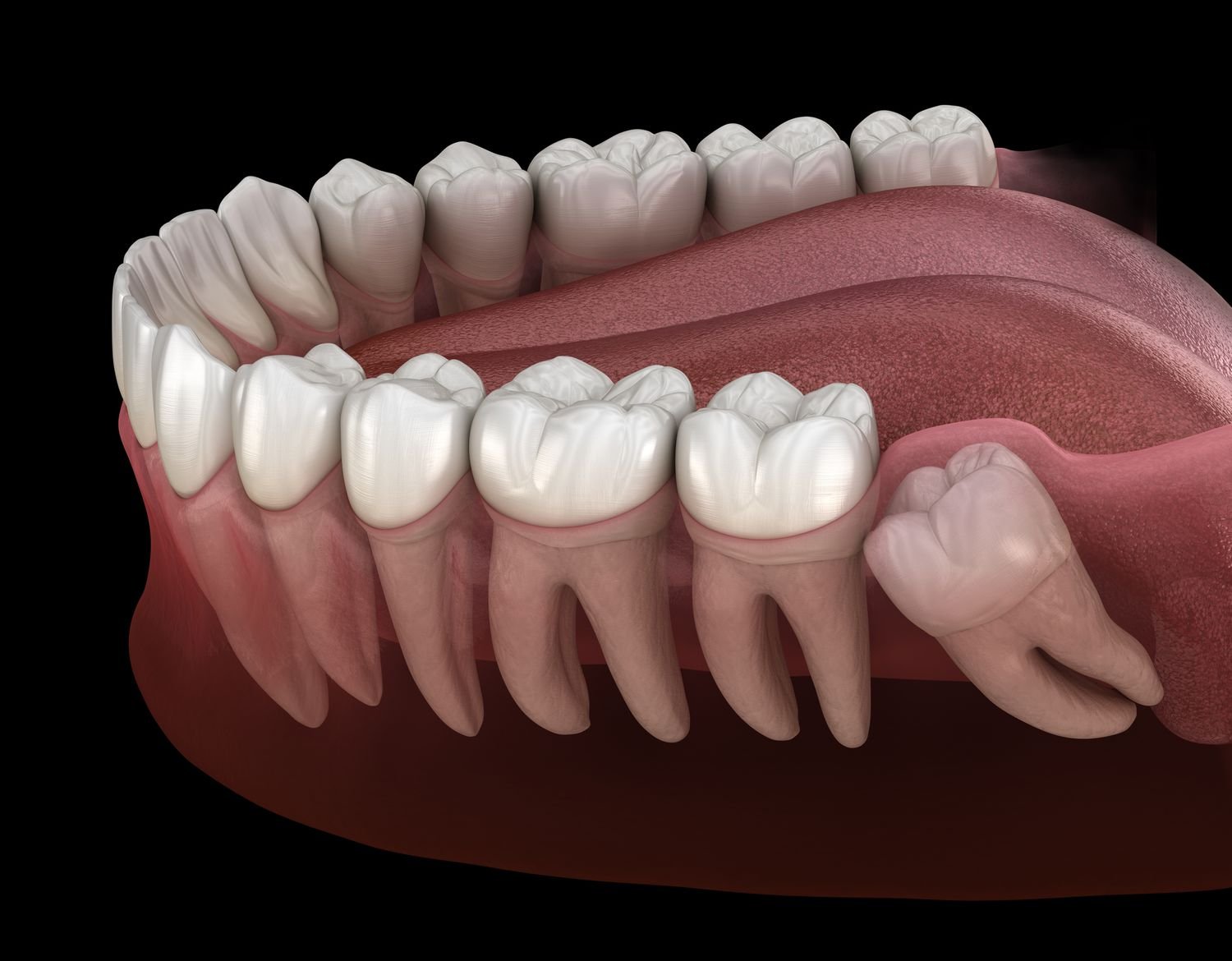
One of the most noticeable changes in pre-teens is the eruption of the 12-year molars. These teeth, also known as second permanent molars, typically emerge around the age of 12, hence their name. They are located at the back of the mouth and play an essential role in chewing and maintaining the alignment of the dental arch. Unlike wisdom teeth, which appear later in the late teens or early twenties, 12-year molars usually come in without the complications often associated with third molars.
The arrival of these molars can sometimes cause discomfort, including mild pain, swelling, or sensitivity in the gums. It is common for children to experience slight irritation as the teeth break through the gum line. Proper oral hygiene, including regular brushing and flossing, is crucial during this stage to prevent cavities and ensure that the new molars emerge healthily. Parents may also consult a dentist to monitor the growth and positioning of the 12-year molars, as this can influence future dental alignment and the need for orthodontic treatment.
Understanding Menstruation and Its Impact
For many girls, puberty brings the onset of menstruation, a major milestone in reproductive development. Menstruation, or the menstrual period, generally begins between ages 11 and 14 but can vary based on genetics, nutrition, and overall health. The first period, known as menarche, signifies that the body is capable of reproduction, although emotional maturity and readiness may develop later.
During menstruation, the body sheds the lining of the uterus, resulting in bleeding that typically lasts three to seven days. Hormonal changes that accompany the menstrual cycle can cause physical symptoms such as cramps, bloating, breast tenderness, and fatigue. Emotional fluctuations, including mood swings or irritability, are also common as the body adjusts to new hormone levels. Educating girls about what to expect during their periods is vital for promoting self-confidence and normalizing this natural process.
Parents and guardians can support young girls by providing age-appropriate guidance on menstrual hygiene, including the use of pads, tampons, or menstrual cups. Open communication about menstruation helps reduce anxiety and ensures that girls feel prepared and informed as their bodies change.
Physical Changes During Puberty
Puberty is a broader phase that encompasses more than dental development and menstruation. It involves significant physical transformations driven by hormonal shifts. For girls, this includes the development of breasts, the growth of pubic and underarm hair, and an increase in height and body weight. Boys experience growth in muscle mass, the deepening of the voice, facial and body hair growth, and increased height as well.
The growth spurt associated with puberty can sometimes cause temporary discomfort, including joint aches or fatigue. Children may notice that their bodies feel different or unfamiliar as they adjust to rapid changes in height and weight. Understanding that these changes are normal and temporary can help pre-teens feel more comfortable with their evolving bodies.
Emotional and Psychological Adjustments
The physical changes of puberty are closely tied to emotional and psychological development. Hormonal fluctuations can intensify emotions, leading to mood swings, heightened sensitivity, and increased self-awareness. Pre-teens may become more conscious of their appearance, peer relationships, and social dynamics.
Supporting children through these emotional adjustments is as important as addressing physical changes. Encouraging open communication, providing reassurance, and fostering a positive body image are essential strategies for helping young people navigate puberty successfully. Engaging in discussions about the changes in their bodies, including the eruption of 12-year molars and the onset of menstruation, can empower them to feel informed and confident.
Nutrition and Healthy Habits
Proper nutrition plays a critical role during this stage of development. The eruption of 12-year molars and rapid physical growth increase the need for essential nutrients such as calcium, vitamin D, protein, and iron. Calcium and vitamin D support strong teeth and bones, while protein is crucial for muscle development and overall growth.
Encouraging healthy eating habits, regular exercise, and adequate sleep can help young adolescents manage the physical demands of puberty. Oral care routines, including brushing and flossing around new molars, should be reinforced to prevent cavities and maintain healthy dental development.
Social and Educational Support
As children progress through puberty, social and educational support becomes increasingly important. Schools and communities can provide resources to help pre-teens understand the changes in their bodies, navigate social challenges, and build resilience. Parents can complement this by fostering open dialogue about puberty, menstruation, and the broader spectrum of adolescent development.
Peer relationships can also influence how children perceive and cope with bodily changes. Encouraging positive friendships and communication skills can help adolescents navigate the social pressures that often accompany puberty. By promoting understanding, empathy, and self-awareness, caregivers can support pre-teens in developing a healthy sense of identity and self-esteem.
Dental Checkups and Monitoring
Given the importance of 12-year molars in long-term dental health, regular dental checkups are essential. Dentists can monitor the eruption of these molars, identify potential crowding or alignment issues, and recommend interventions such as braces if necessary. Early dental care ensures that pre-teens maintain a healthy bite and reduce the risk of cavities or gum problems.
In addition to routine checkups, educating children about proper brushing techniques and the importance of flossing around new molars helps establish lifelong oral hygiene habits. Dental care during puberty is particularly important because hormonal changes can increase the risk of gum sensitivity and plaque buildup.
Conclusion
The period of pre-adolescence and early adolescence is marked by a constellation of changes, from the eruption of 12-year molars to the onset of menstruation and other signs of puberty. Understanding these changes—physically, emotionally, and socially—can help children navigate this critical stage with confidence and ease.
Parents, guardians, and educators play a vital role in guiding young adolescents through these transitions by providing accurate information, emotional support, and opportunities for open discussion. Encouraging healthy habits, maintaining regular dental checkups, and fostering a positive body image are essential components of supporting children as they grow.
Ultimately, the journey through puberty is a complex but natural part of life. Recognizing milestones like the eruption of 12-year molars, menstruation, and other bodily changes allows pre-teens and their caregivers to embrace growth, celebrate development, and cultivate a foundation for lifelong health and well-being.
The combination of education, support, and awareness ensures that children can approach these changes with confidence, resilience, and a sense of empowerment as they transition from childhood to adolescence.