
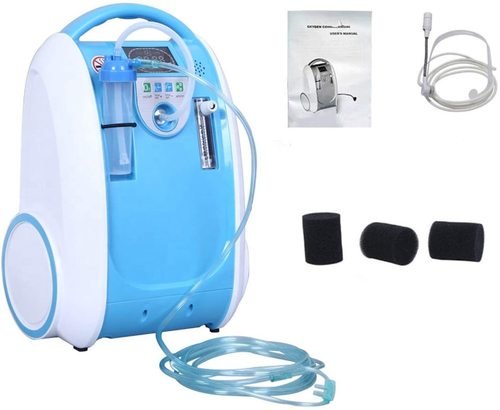
Choosing the right oxygen equipment for home use is an important decision for anyone who requires supplemental oxygen. A home oxygen concentrator can provide a convenient source of concentrated oxygen without requiring frequent replacement of traditional oxygen cylinders. However, different models offer different features, capacities, and operating requirements. Understanding these differences can help households choose equipment that fits their daily routines and prescribed oxygen needs.
The term 家用氧氣機 refers to a home oxygen concentrator designed for household use. Whether you are purchasing one for yourself or helping a family member, the selection process should begin with medical guidance and continue with a careful comparison of equipment features.
Understand the Purpose of a Home Oxygen Concentrator
A home oxygen concentrator works by drawing in room air and separating oxygen from other gases. It then delivers a concentrated oxygen supply through tubing, typically using a nasal cannula or another prescribed interface.
Unlike compressed oxygen cylinders, a concentrator generally does not need to be refilled with oxygen. It requires electricity to operate and must be used according to the instructions provided by the manufacturer and healthcare professional.
Before selecting a unit, determine whether the intended user needs continuous oxygen, oxygen during certain activities, or oxygen while sleeping. The prescribed oxygen flow rate is particularly important because a machine should be capable of delivering the amount recommended by the healthcare provider.
Start With Professional Medical Guidance
The most important consideration is the user’s prescribed oxygen requirement. Oxygen therapy should not be selected solely according to price, appearance, or online reviews.
A healthcare professional can determine whether supplemental oxygen is appropriate and what delivery settings are required. Some users may need a specific continuous-flow capacity, while others may have different requirements during sleep or physical activity.
Once the prescription is known, compare concentrators that can reliably meet those requirements. Selecting equipment that cannot provide the prescribed flow or concentration may make it unsuitable for the intended purpose.
Consider Continuous Flow and Other Delivery Options
Home oxygen concentrators are available with different oxygen-delivery configurations. Continuous-flow models provide oxygen continuously at a specified flow rate, while some portable systems may use pulse-dose delivery.
The appropriate option depends on the user’s prescription and lifestyle. A household unit that will remain beside a bed or chair may have different priorities from a portable device used for travel.
Always confirm the manufacturer’s specifications and discuss delivery modes with a qualified healthcare professional before purchasing.
Evaluate Oxygen Concentration and Performance
Oxygen concentration is another important specification. A quality home unit should operate within the performance range stated by its manufacturer when used under the recommended conditions.
Look for clearly documented specifications rather than relying only on promotional claims. Factors such as altitude, operating temperature, maintenance, and device age can influence performance.
Households should also understand the machine’s alarms and indicators. Warnings for low oxygen concentration, power interruption, overheating, or other operating issues can provide useful information when something requires attention.
Think About Noise Levels
A concentrator may operate for many hours each day, and some users may need it while sleeping. For this reason, operating noise can have a meaningful impact on comfort.
Check the manufacturer’s published noise rating and consider where the machine will be positioned. A quieter unit may be preferable in a bedroom, especially for someone who is sensitive to background sounds.
However, noise should be considered alongside medical suitability, reliability, and other practical requirements rather than treated as the only deciding factor.
Check Size, Weight, and Household Placement
Home oxygen concentrators can vary considerably in size and weight. Before purchasing, consider where the machine will be used and whether it will need to be moved between rooms.
A larger unit may be perfectly practical if it will remain in one location. A smaller design may be more convenient for households where space is limited.
Make sure there is sufficient ventilation around the machine and follow the manufacturer’s instructions for placement. Avoid blocking ventilation openings or placing the equipment in unsuitable environments.
Consider Power Requirements
Because a home oxygen concentrator depends on electricity, households should understand its power requirements before bringing it home.
Check the required voltage, power consumption, and recommended electrical setup. If power interruptions are common in your area, discuss an appropriate backup oxygen plan with the healthcare provider and equipment supplier.
A backup plan may be particularly important for individuals who depend on oxygen continuously. A concentrator should not be considered a replacement for an emergency oxygen strategy unless the healthcare professional and supplier specifically recommend such an arrangement.
Examine Maintenance Requirements
Regular maintenance can help keep oxygen equipment operating properly. Ask about filter cleaning or replacement, tubing replacement, inspection schedules, and other routine care.
The user or caregiver should understand which maintenance tasks can safely be performed at home and which require professional servicing.
Before purchasing, check whether replacement parts are readily available. A machine may be less practical if essential filters, tubing, or service components are difficult to obtain.
Compare Warranty and After-Sales Support
A warranty can provide valuable protection for a significant equipment purchase. Review the warranty duration, coverage, exclusions, and service process before making a decision.
Also investigate the availability of technical support. If the equipment develops an alarm or operating problem, having access to qualified support can make troubleshooting much easier.
For households purchasing a 家用氧氣機, after-sales service can be just as important as the initial purchase price.
Consider Ease of Use
The person using the concentrator should be able to operate it comfortably and safely. Controls should be understandable, displays should be easy to read, and tubing should connect securely.
If an older adult or caregiver will operate the device, simplicity can be particularly useful. Ask the supplier to demonstrate startup, shutdown, alarm responses, filter care, and other routine procedures.
Look at Long-Term Costs
The purchase price is only one part of the total cost. Consider electricity consumption, replacement filters, tubing, servicing, accessories, and potential repairs.
A model with a lower initial price may not necessarily be the most economical option over several years. Comparing expected operating and maintenance costs can provide a more complete picture.
Choose Based on the Household’s Lifestyle
The best home oxygen concentrator is one that meets the user’s medical requirements while fitting naturally into everyday life. Consider sleeping arrangements, room size, mobility within the home, caregiver involvement, and whether travel will be necessary.
For someone who spends most of the day in one room, a stationary concentrator may be appropriate. If movement outside the home is part of the routine, a healthcare professional may recommend a separate portable oxygen solution.
Make Safety a Priority
Oxygen supports combustion, so proper safety practices are essential. Keep oxygen equipment away from smoking, open flames, sparks, and other ignition sources. Follow the manufacturer’s safety instructions carefully.
Do not modify the concentrator or attempt unauthorized repairs. Use only compatible accessories and follow prescribed oxygen settings.
Final Thoughts
Selecting a home oxygen concentrator involves more than comparing brands and prices. The process should begin with the user’s medical prescription and then consider oxygen delivery requirements, concentration, noise, size, power consumption, maintenance, warranty, support, safety, and everyday convenience.
For households researching a 家用氧氣機, taking time to understand these factors can make the purchasing process clearer and more organized. Most importantly, the equipment should be selected and used according to professional medical advice. With the right information and appropriate support, families can choose oxygen equipment that is practical, dependable, and suited to the user’s prescribed needs.