
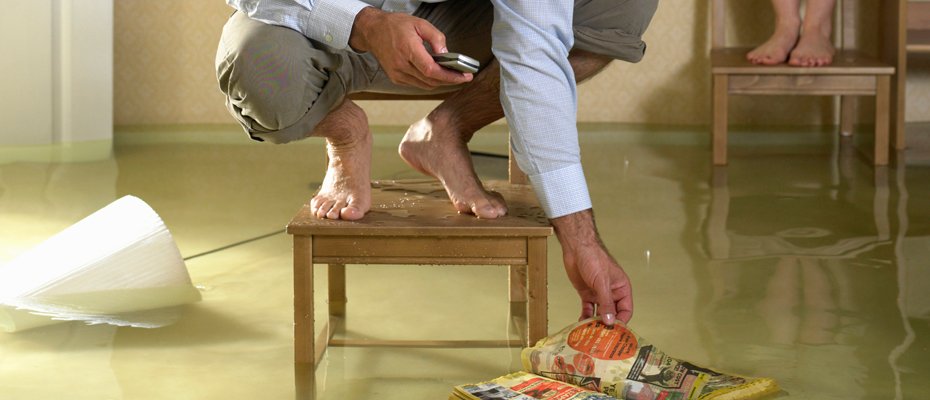
Flood damage cleanup can be one of the most overwhelming tasks a homeowner faces. Floods can cause extensive damage to your property, leaving behind waterlogged walls, floors, and personal belongings. While immediate action is critical, rushing through the cleanup process without proper knowledge can lead to costly mistakes. Understanding common pitfalls can help you restore your home efficiently and minimize long-term damage.
Ignoring Safety Precautions
One of the most common mistakes during flood damage cleanup is neglecting safety measures. Standing water can conceal electrical hazards, sharp objects, or contaminated areas. Before entering your home, ensure that electricity and gas lines are turned off. Wear protective gear such as gloves, waterproof boots, and masks to prevent exposure to harmful bacteria or mold. Ignoring these precautions can result in serious injuries or health issues.
Delaying Cleanup Efforts
Floodwater can cause significant damage if not addressed promptly. Delaying flood damage cleanup allows water to seep deeper into structural materials, leading to mold growth, wood rot, and weakening of foundations. Immediate action is essential to remove water, dry surfaces, and salvage belongings. Using pumps, wet vacuums, and dehumidifiers can expedite the process and reduce the risk of long-term structural issues.
Underestimating Water Damage
Many homeowners underestimate the extent of damage caused by flooding. Water can penetrate walls, flooring, and insulation, affecting areas not immediately visible. Overlooking hidden moisture pockets can lead to mold infestations and deterioration of materials. During flood damage cleanup, it’s essential to check behind walls, under carpets, and in crawl spaces to ensure complete drying and prevent hidden problems from worsening.
Using Inappropriate Cleaning Methods
Another common mistake is using improper cleaning techniques. Harsh chemicals or household cleaners may not be sufficient to sanitize flood-affected areas. Floodwater often contains bacteria, sewage, or chemical contaminants that require specialized cleaning solutions. Hiring professionals or following guidelines for flood damage cleanup ensures that your home is properly disinfected and safe for occupancy.
Failing to Document Damage
Proper documentation is crucial for insurance claims. Some homeowners neglect to photograph or record the damage before starting cleanup. This oversight can complicate insurance processes, resulting in delayed or reduced compensation. During flood damage cleanup, take detailed photos of every affected area, including personal property, structural damage, and any valuable items. This documentation will support your claim and ensure adequate reimbursement.
Disregarding Mold Prevention
Mold can develop within 24 to 48 hours after a flood if moisture is not removed promptly. One of the biggest mistakes in flood damage cleanup is ignoring mold prevention. Use dehumidifiers and fans to dry affected areas thoroughly. Remove and replace water-damaged materials such as carpets, drywall, and insulation. Applying mold-resistant treatments can further reduce the risk of future infestations and protect your family’s health.
Attempting DIY Cleanup Beyond Capacity
While some minor water issues can be managed independently, extensive flood damage often requires professional intervention. Attempting to handle major water extraction, structural repairs, or mold remediation without expertise can lead to further damage. Professional flood damage cleanup companies have specialized equipment and training to address complex situations safely and efficiently. Hiring experts ensures that the job is done correctly the first time.
Overlooking Electrical and Plumbing Systems
Floods can severely affect electrical and plumbing systems. Ignoring these systems during cleanup can result in dangerous situations or costly repairs later. Have a licensed electrician inspect wiring and circuits before restoring power. Check plumbing for leaks, cracks, or contamination caused by floodwater. Ensuring these systems are safe and functional is a crucial part of comprehensive flood damage cleanup.
Disposing of Salvageable Items Prematurely
It’s tempting to discard everything touched by floodwater, but some items may be salvaged. Properly assessing belongings can save money and reduce waste. Items like furniture, electronics, and documents may be restored with professional cleaning techniques. Avoiding premature disposal is an important aspect of an effective flood damage cleanup strategy.
Failing to Address Insurance Requirements
Insurance policies often have specific requirements for reporting and mitigating flood damage. Neglecting these requirements can jeopardize your coverage. Contact your insurance provider immediately after a flood to report damage and follow their guidelines for cleanup. Maintaining communication with your insurer during flood damage cleanup ensures that your claim is handled smoothly and reduces the risk of disputes.
Not Maintaining a Long-Term Prevention Plan
Flood damage cleanup is not just about restoring the immediate damage; it’s also an opportunity to plan for future events. Many homeowners fail to implement measures that reduce the impact of future floods. Consider elevating electrical systems, waterproofing basements, or installing sump pumps. Investing in preventative measures can significantly reduce the severity of damage in future incidents and simplify cleanup efforts.
Conclusion
Flood damage cleanup is a challenging but essential process for protecting your home and health. By avoiding common mistakes such as ignoring safety, delaying cleanup, underestimating damage, or overlooking mold prevention, homeowners can effectively restore their property. Proper documentation, professional assistance, and adherence to safety protocols ensure that your home is returned to a safe and habitable condition. Planning for future prevention further strengthens your resilience against flooding. Taking these steps will save time, money, and stress, making your flood recovery process smoother and more successful.
This guide highlights the most frequent errors in flood damage cleanup and offers practical solutions to prevent them. Acting quickly, following proper procedures, and consulting professionals when necessary are key strategies for minimizing long-term damage and protecting your home from future flooding events.