
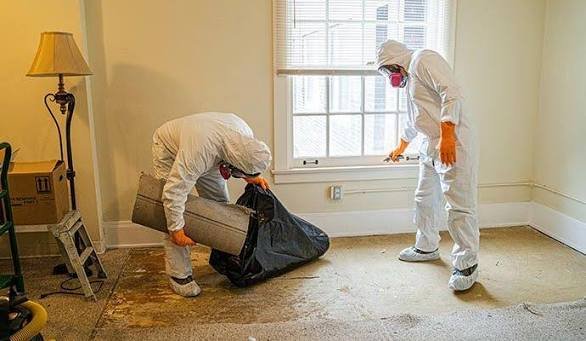
Traumatic events can create difficult and emotionally overwhelming situations for individuals, families, and property owners. Whether a property has been affected by an accident, an unattended death, a traumatic incident, or another distressing event, restoring the environment requires specialized knowledge, professional trauma clean up service equipment, and a compassionate approach. A reliable trauma clean up service helps people navigate these challenging circumstances by providing thorough cleaning, proper sanitation, and respectful support when it is needed most.
Unlike ordinary residential or commercial cleaning, trauma cleanup involves specialized procedures for handling potentially hazardous biological materials, reducing contamination risks, and restoring affected spaces to a safe condition. Professional technicians follow appropriate safety protocols and applicable regulations to ensure that cleanup is completed responsibly. Their work helps families and property owners focus on their next steps without having to manage the physical cleanup themselves.
Understanding the Importance of a Trauma Clean Up Service
A trauma clean up service specializes in cleaning and restoring environments following incidents that may involve blood, bodily fluids, or other potentially infectious materials. These situations require more than standard household cleaning products and equipment. Professional cleaners are trained to recognize potential hazards, use appropriate protective equipment, and follow established procedures for handling contaminated materials.
Traumatic incidents can occur in private homes, apartments, workplaces, vehicles, and commercial properties. Each location presents different challenges depending on the nature of the incident, the materials affected, and the extent of contamination. A professional assessment helps determine the appropriate cleaning, sanitation, and restoration measures.
Choosing a qualified service provider can help reduce exposure risks, protect property occupants, and ensure that affected areas receive appropriate attention. Professional intervention is particularly valuable when contamination extends beyond visible surfaces or involves porous materials that may require specialized treatment or removal.
Compassionate Support During Difficult Circumstances
The emotional impact of a traumatic incident can make even routine responsibilities feel overwhelming. Families may be dealing with grief, shock, uncertainty, or the practical demands of managing a property after an unexpected event. During these circumstances, compassion and professionalism are just as important as technical expertise.
A dependable trauma cleanup company understands that every situation is personal. Technicians should communicate respectfully, protect the privacy of those involved, and approach the property without judgment. Clear explanations about the cleanup process can help clients understand what to expect and make informed decisions.
Compassionate service also means respecting the family’s time, belongings, and emotional needs. Professional teams should avoid unnecessary intrusion and handle affected areas discreetly. By providing organized and respectful assistance, they help reduce the additional stress that can accompany an already difficult experience.
Specialized Cleaning and Sanitation Procedures
One of the primary responsibilities of a trauma clean up service is to address biological contamination using appropriate professional methods. Standard cleaning may not adequately manage potentially infectious materials, especially when contamination affects multiple surfaces or porous building components.
Professional cleanup typically begins with an assessment of the affected area. Technicians identify the scope of the work, evaluate potential hazards, and determine which cleaning and restoration procedures are appropriate. They then establish suitable safety measures before beginning the cleanup process.
Depending on the situation, the service may include the removal of contaminated materials, cleaning of affected surfaces, application of suitable disinfectants, and proper disposal of regulated waste. Materials such as carpeting, upholstery, or other porous items may require specialized treatment or removal when they cannot be safely restored.
The objective is to address contamination thoroughly while preserving unaffected materials whenever practical. Qualified technicians use products and procedures appropriate to the surfaces involved and follow applicable safety requirements. This professional approach helps ensure that the property receives more than a superficial cleaning.
Protecting Health and Reducing Contamination Risks
Potential exposure to bloodborne pathogens and other biological hazards is an important concern following certain traumatic incidents. Without appropriate training and protective equipment, individuals attempting to clean affected areas may expose themselves or others to unnecessary risks.
Professional trauma cleanup technicians receive training in hazard awareness, safe work practices, and the proper handling of contaminated materials. Depending on the job, they may use specialized protective equipment, controlled work areas, and established procedures to reduce the possibility of contamination spreading to unaffected spaces.
Proper waste management is another essential part of the process. Materials contaminated by biological substances may be subject to specific handling, packaging, transportation, and disposal requirements. Professional providers should understand the rules that apply in their service area and arrange for compliant disposal.
These precautions protect not only the technicians performing the work but also property occupants, maintenance personnel, and other individuals who may enter the affected environment later.
Residential and Commercial Trauma Cleanup Solutions
Trauma cleanup needs can vary considerably between residential and commercial properties. A professional service should adapt its approach to the location, the materials involved, and the requirements of the property owner.
Residential Trauma Cleanup
Homes and apartments often contain personal belongings, family photographs, furniture, and other items with significant emotional value. Cleanup professionals must balance effective sanitation with careful consideration of the property and its occupants.
Services may include cleaning affected rooms, addressing contaminated flooring or furnishings, and coordinating the removal of materials that cannot be safely restored. Technicians should explain which items may be recoverable and which require additional treatment or disposal.
Maintaining privacy is particularly important in residential settings. A discreet and respectful team can help families manage the restoration process while minimizing unnecessary disruption.
Commercial and Workplace Cleanup
Businesses may require trauma cleanup following workplace accidents, incidents in public areas, or other unexpected events. In these environments, prompt professional attention can help property managers address safety concerns and plan for the responsible reopening of affected areas.
Commercial cleanup may involve offices, retail spaces, hospitality properties, industrial facilities, or shared residential buildings. Providers should coordinate with property managers and relevant safety personnel to establish appropriate access restrictions and restoration priorities.
The aim is to restore affected areas to a suitable condition while following workplace safety requirements and minimizing disruption to normal operations.
Why Professional Training and Experience Matter
Not every cleaning company has the qualifications, equipment, or procedures needed for trauma cleanup. Selecting an experienced provider is therefore an important part of protecting people and property.
Before hiring a company, clients should ask about technician training, insurance coverage, safety procedures, waste disposal practices, and compliance with relevant regulations. They should also determine whether the provider has experience handling situations similar to their own.
Professionalism extends beyond technical ability. Reliable companies communicate clearly, explain the expected scope of work, provide transparent estimates, and establish realistic expectations about timing. They should also be willing to answer questions without using fear-based sales tactics or making unsupported promises.
A qualified provider understands that every property is different. Rather than offering a one-size-fits-all solution, the company should assess the circumstances and recommend services that address the actual needs of the affected environment.
The Role of Discretion and Confidentiality
Privacy is an essential consideration during trauma cleanup. Families, property owners, and businesses may want to keep sensitive circumstances confidential, particularly when an incident has attracted attention or involves personal loss.
Professional cleanup teams should handle client information responsibly and avoid discussing incidents with unauthorized individuals. Service vehicles, communications, and on-site conduct should reflect an appropriate level of discretion whenever practical.
Clients can ask potential providers about their confidentiality policies before scheduling a service. They may also wish to clarify how photographs, records, and personal information are handled during the cleanup and restoration process.
Respect for privacy helps establish trust and demonstrates that the company understands the human circumstances behind its work.
How to Choose the Right Trauma Cleanup Company
Finding the right trauma clean up service involves evaluating several factors rather than focusing solely on price. While affordability matters, the quality of the work, the safety procedures used, and the provider’s professionalism are equally important.
Consider the following factors when comparing service providers:
- Relevant training: Confirm that technicians understand biological hazards and appropriate cleanup procedures.
- Safety standards: Ask about protective equipment, contamination controls, and sanitation methods.
- Regulatory compliance: Verify that the company follows applicable local requirements for handling and disposing of contaminated materials.
- Clear communication: Choose a provider that explains the process, estimated costs, and expected timeline.
- Insurance and credentials: Request relevant documentation and confirm that the company is appropriately insured.
- Discretion: Look for a team that respects personal privacy and treats clients with sensitivity.
- Restoration capabilities: Determine whether the company can coordinate any additional services required to return the property to a suitable condition.
Reading genuine customer reviews and requesting a written estimate can also help clients make a more informed decision. A trustworthy provider will explain the proposed work clearly and avoid promising results that cannot reasonably be guaranteed.
What to Expect During the Cleanup Process
Although every incident is different, professional trauma cleanup generally follows a structured process. The company first gathers information about the affected property and arranges an assessment when appropriate. Technicians then identify the necessary safety measures and explain the proposed scope of work.
Once the work is authorized, the team carries out the agreed cleaning, removal, sanitation, and waste management procedures. Additional restoration may be necessary if building materials, furnishings, or other components have sustained damage.
Before completing the job, the provider should review the work performed and explain whether any further restoration or specialist assessment is recommended. Clients should also receive information about any limitations that remain and any steps needed before the affected space is used again.
Clear communication throughout the process helps reduce uncertainty and gives property owners a better understanding of the progress being made.
Conclusion
A professional trauma clean up service provides essential assistance when a property has been affected by a distressing or potentially hazardous incident. Through specialized cleaning procedures, appropriate safety measures, responsible waste management, and respectful communication, trained professionals help restore affected environments while reducing unnecessary risks.
Choosing a qualified company means looking beyond ordinary cleaning capabilities. Training, regulatory compliance, confidentiality, transparent pricing, and compassionate customer service all contribute to a dependable experience.
During difficult circumstances, families and property owners deserve support that combines technical expertise with genuine respect for their situation. By working with a reliable trauma cleanup provider, they can address the physical challenges of property restoration with greater confidence and focus on the practical and personal matters that require their attention.