
When disaster strikes a home or commercial building, the impact can be devastating. Whether caused by sudden flooding, a destructive fire, severe weather conditions, or hidden mold growth, property damage disrupts lives, strains finances, and threatens structural safety. Beyond the visible destruction, property owners often feel overwhelmed by the complex process of recovery. Fortunately, professional restoration services play a crucial role in reversing this damage, rescuing compromised structures, and breathing new life into distressed properties.
Restoration is far more than simple cleaning or cosmetic repairs. It is a comprehensive, highly technical discipline that combines advanced technology, structural engineering principles, and specialized craftsmanship. By addressing both obvious and underlying issues, expert restoration services salvage property assets, safeguard health, and restore peace of mind.
Understanding the Scope of Property Damage
Property damage occurs in many forms, each presenting unique challenges that require tailored solutions. Understanding these categories reveals why specialized restoration services are essential for complete recovery.
Water and Moisture Damage
Water is one of the most common and destructive elements impacting real estate. Leaking pipes, roof compromises, sewer backups, or natural floods can quickly penetrate building materials. Wood swells and warps, drywall disintegrates, and metal components begin to corrode. If not addressed within 24 to 48 hours, standing water and trapped moisture create an ideal environment for toxic mold growth, creating secondary damage that is far costlier to resolve.
Fire and Smoke Damage
Fires cause immediate, dramatic destruction, but the damage does not end once the flames are extinguished. Smoke and soot permeate porous materials, leaving behind corrosive residue and unpleasant, persistent odors. Additionally, the water used by firefighters to extinguish the blaze introduces severe water damage. A property impacted by fire requires a multi-faceted approach to address structural burns, soot contamination, and water saturation simultaneously.
Mold Contamination and Environmental Hazards
Unchecked moisture inevitably leads to mold amplification. Mold spores compromise indoor air quality and can trigger respiratory issues, allergies, and other health risks for occupants. Professional remediation is required to isolate contaminated zones, safely eradicate fungal spores, and correct the underlying moisture sources.
Storm and Catastrophic Event Damage
Hurricanes, tornadoes, heavy snowfall, and hail storms can inflict severe external damage on roofs, windows, and foundations. Exterior breaches leave the interior exposed to the elements, leading to rapid degradation if protective measures are not implemented immediately.
The Step-by-Step Restoration Process
Transforming a severely damaged structure back into a safe, functional, and aesthetically pleasing environment requires a systematic approach. Reliable restoration services follow a structured protocol to ensure thoroughness and long-term stability.
Step 1: Emergency Response and Inspection
Speed is critical in disaster recovery. Quality restoration services operate emergency lines to deploy quick-response teams to the scene. Upon arrival, technicians perform a comprehensive assessment to evaluate structural integrity, identify safety hazards, and determine the exact extent of the damage. Moisture meters, thermal imaging cameras, and air sampling tools are often used during this diagnostic phase.
Step 2: Emergency Board-Up and Tarping
To prevent further harm from weather, vandalism, or wildlife, technicians execute immediate containment measures. This includes boarding up broken windows and doors, placing protective tarps on damaged roofs, and installing temporary structural supports where necessary.
Step 3: Water Extraction and Structural Drying
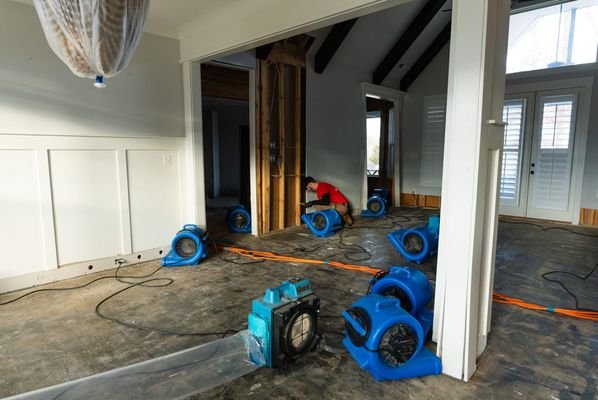
For water-related incidents, heavy-duty pumps and extraction units are deployed to remove standing water rapidly. Industrial-grade dehumidifiers and high-velocity air movers are then placed strategically throughout the space to extract moisture trapped within walls, subfloors, and structural beams. Continuous monitoring ensures the building reaches proper dry-standard basements.
Step 4: Decontamination, Soot Removal, and Air Purification
Cleanliness and sanitization are essential for returning a property to a habitable state. Technicians utilize specialized cleaning agents, HEPA vacuums, and thermal fogging or ozone treatment systems to remove soot, eradicate mold spores, and eliminate deep-seated odors from structural materials and personal belongings.
Step 5: Reconstruction and Final Polish
The final stage bridges the gap between mitigation and full recovery. Damaged materials that cannot be salvaged—such as unsanitary insulation or rotted drywall—are removed and replaced. Craftsmen rebuild walls, lay new flooring, refinish surfaces, and apply fresh paint, restoring the property to its pre-loss condition or better.
The Vital Value of Professional Expertise and Equipment
Attempting to handle major property damage through DIY methods often leads to incomplete repairs, hidden structural degradation, and recurring health hazards. Investing in professional restoration services offers several distinct advantages:
Advanced Technology and Specialized Tools
Modern restoration relies on cutting-edge equipment that average property owners do not possess. Infrared cameras identify moisture pockets hidden deep inside concrete slabs or cavity walls. Commercial air scrubbers remove microscopic contaminants, while desiccant dehumidifiers dry out building materials far faster than consumer fans.
Health and Safety Compliance
Handling structural damage involves severe safety risks, including electrical hazards, weakened framing, toxic soot particulates, biohazards, and hazardous mold species. Certified restoration technicians are trained in strict safety protocols, equipped with appropriate personal protective equipment (PPE), and knowledgeable about environmental regulations.
Minimizing Financial Losses and Downtime
Prompt, professional intervention prevents secondary damage from spreading. For business owners, fast recovery minimizes costly operational downtime. For homeowners, efficient restoration reduces overall repair expenses by saving structural components that would otherwise need full replacement.
Restoring Peace of Mind and Value
Beyond the physical repairs, property damage inflicts emotional stress on homeowners and business operators. Seeing a cherished space reduced to ruin can feel overwhelming. Professional restoration services provide clear guidance, structured action plans, and expert execution, helping property owners navigate difficult situations with confidence.
By blending technical precision with dedicated craftsmanship, restoration teams do not merely repair structures—they breathe renewed life, comfort, and value back into damaged properties, turning scenes of disaster into fresh beginnings.