
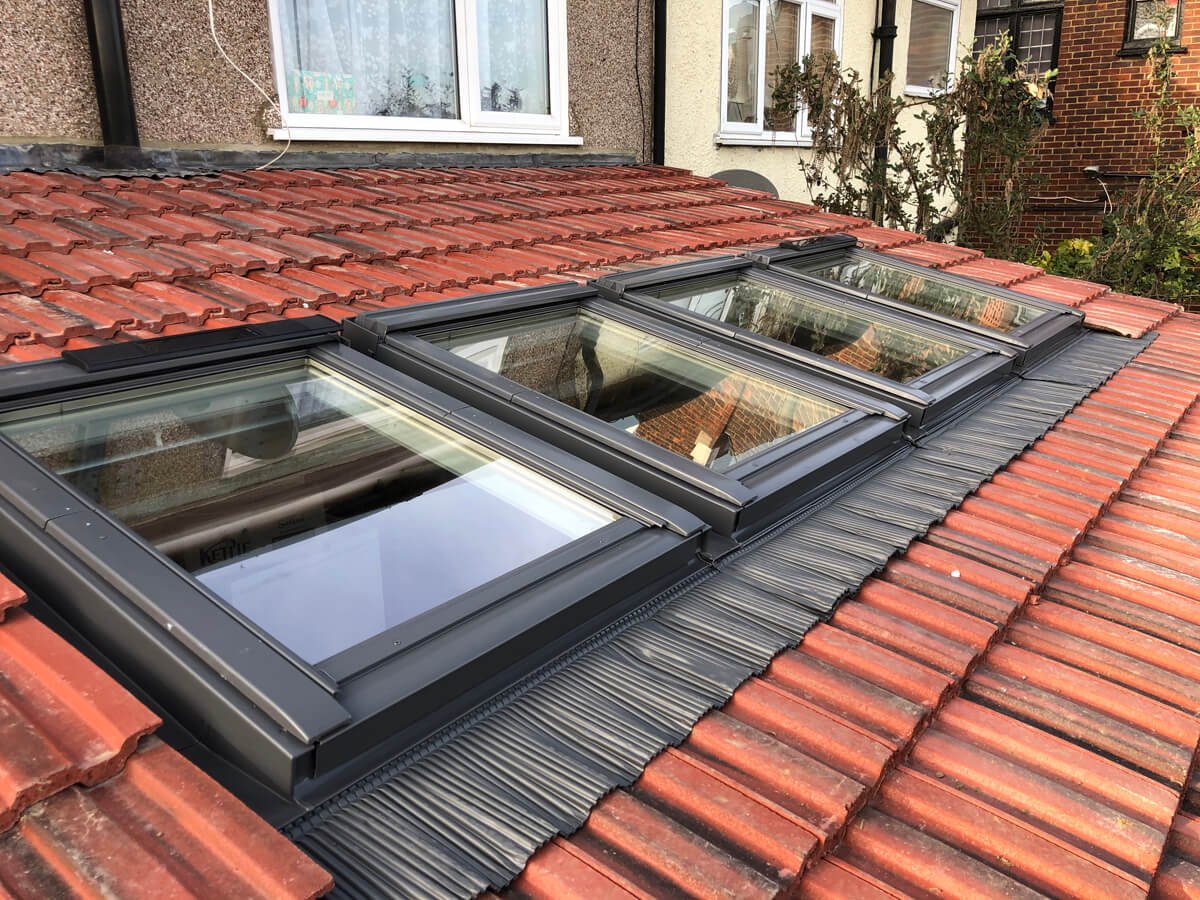
Roof windows and flat roof skylights are excellent additions to any home, providing natural light, ventilation, and a sense of openness. However, if not properly sealed, they can become a source of heat loss, drafts, and even water damage. Proper sealing is essential not only to maintain energy efficiency but also to protect your home from the elements. In this article, we will guide you through the best practices to ensure your roof windows and flat roof skylights are sealed effectively.
Understanding the Importance of Sealing Roof Windows
Roof windows and flat roof skylights are designed to bring sunlight into areas that might otherwise be dark, such as attics, lofts, or rooms beneath flat roofs. While they enhance the aesthetics and comfort of your home, poorly sealed windows can undermine their benefits. Heat can escape during the winter, and unwanted heat can enter during the summer, leading to increased energy bills. Additionally, leaks can cause structural damage, mold growth, and deterioration of the interior finishes. Sealing these windows properly is crucial to maximize energy efficiency and protect your investment.
Choosing the Right Materials for Sealing
When sealing roof windows and flat roof skylight, the choice of materials is critical. The most common sealing methods include:
- Weatherstripping: This flexible material is used around movable parts of the roof window to prevent drafts. High-quality weatherstripping can last for years and maintain an airtight seal.
- Silicone Caulk: Silicone is waterproof, flexible, and durable, making it ideal for sealing the joints between the window frame and the roof. It can withstand temperature fluctuations and UV exposure without cracking.
- Flashing Kits: Most roof windows and flat roof skylights come with flashing kits specifically designed to prevent water infiltration. Proper installation of flashing ensures that rainwater is directed away from the window.
- Insulation Foam: Expanding foam can fill gaps between the roof frame and the window to prevent heat loss. However, it must be applied carefully to avoid over-expansion, which can warp the window frame.
Step-by-Step Guide to Sealing Roof Windows
Proper sealing requires attention to detail and the right sequence of steps. Here’s how to seal your roof windows and flat roof skylights effectively:
- Inspect the Area: Begin by checking the roof window for existing gaps, damaged seals, or signs of water leakage. Ensure the surrounding roof area is clean and dry.
- Install or Check Flashing: Ensure that the flashing is correctly installed according to the manufacturer’s instructions. For flat roof skylights, the flashing should be integrated into the roof membrane to direct water away from the window.
- Apply Weatherstripping: Add weatherstripping around the movable parts of the window, such as sashes or hinges. Make sure the strip adheres well to the frame and creates a tight seal when the window is closed.
- Seal Joints with Silicone: Use silicone caulk around the exterior perimeter of the window. Apply a smooth, continuous bead to cover all joints where the window frame meets the roof. Smooth it with a caulking tool or a finger dipped in soapy water to ensure a uniform seal.
- Insulate Gaps: If there are larger gaps between the window and roof frame, use insulation foam. Apply carefully in small amounts, allowing it to expand gradually. Trim any excess foam once it has cured.
- Check Interior Sealing: Inside the room, inspect the area around the window frame. Apply caulk or sealant where necessary to prevent drafts and enhance energy efficiency.
- Final Inspection: After sealing, check for any missed spots or potential weak points. Close the window and observe if there are drafts or light penetration, which may indicate a gap.
Tips for Maintaining Energy Efficiency
Once your roof windows and flat roof skylights are properly sealed, regular maintenance is essential to retain energy efficiency:
- Clean Regularly: Remove dirt and debris from the window frame and flashing to prevent water pooling and degradation of seals.
- Inspect Seals Annually: Over time, weatherstripping and caulk can wear out. Check for cracks or gaps and replace seals as needed.
- Check for Condensation: Excessive condensation on the interior surface may indicate insufficient sealing or insulation. Addressing the root cause can prevent long-term damage.
- Upgrade Windows: Consider double-glazed or low-emissivity (Low-E) glass for roof windows to further enhance insulation and reduce heat loss.
Benefits of Properly Sealed Roof Windows
Sealing roof windows and flat roof skylights properly offers several advantages:
- Energy Savings: Preventing heat loss in winter and heat gain in summer reduces energy consumption and lowers utility bills.
- Comfort: Proper sealing eliminates drafts, ensuring a more comfortable indoor environment.
- Durability: Protecting the window and surrounding roof structure from water damage increases the lifespan of your investment.
- Noise Reduction: A well-sealed roof window can also reduce external noise infiltration, creating a quieter indoor space.
Common Mistakes to Avoid
Even experienced homeowners can make mistakes when sealing roof windows. Some common pitfalls include:
- Skipping Flashing Installation: Flashing is critical for water protection. Never assume it is optional.
- Using the Wrong Sealant: Not all sealants are suitable for roof applications. Avoid caulks that are not weatherproof or UV-resistant.
- Overfilling with Foam: Expanding foam can warp the window frame if applied excessively.
- Neglecting Interior Sealing: Energy efficiency is maximized when both the interior and exterior are properly sealed.
Conclusion
Roof windows and flat roof skylights enhance natural lighting, ventilation, and aesthetics in your home, but only if they are properly sealed. Using the right materials and following a careful installation process ensures energy efficiency, protects your home from water damage, and extends the lifespan of your windows. Regular inspections and maintenance further ensure that your roof windows continue to perform at their best. Proper sealing is an investment that pays off in comfort, energy savings, and long-term durability, making it an essential step for any homeowner looking to optimize their living space.