
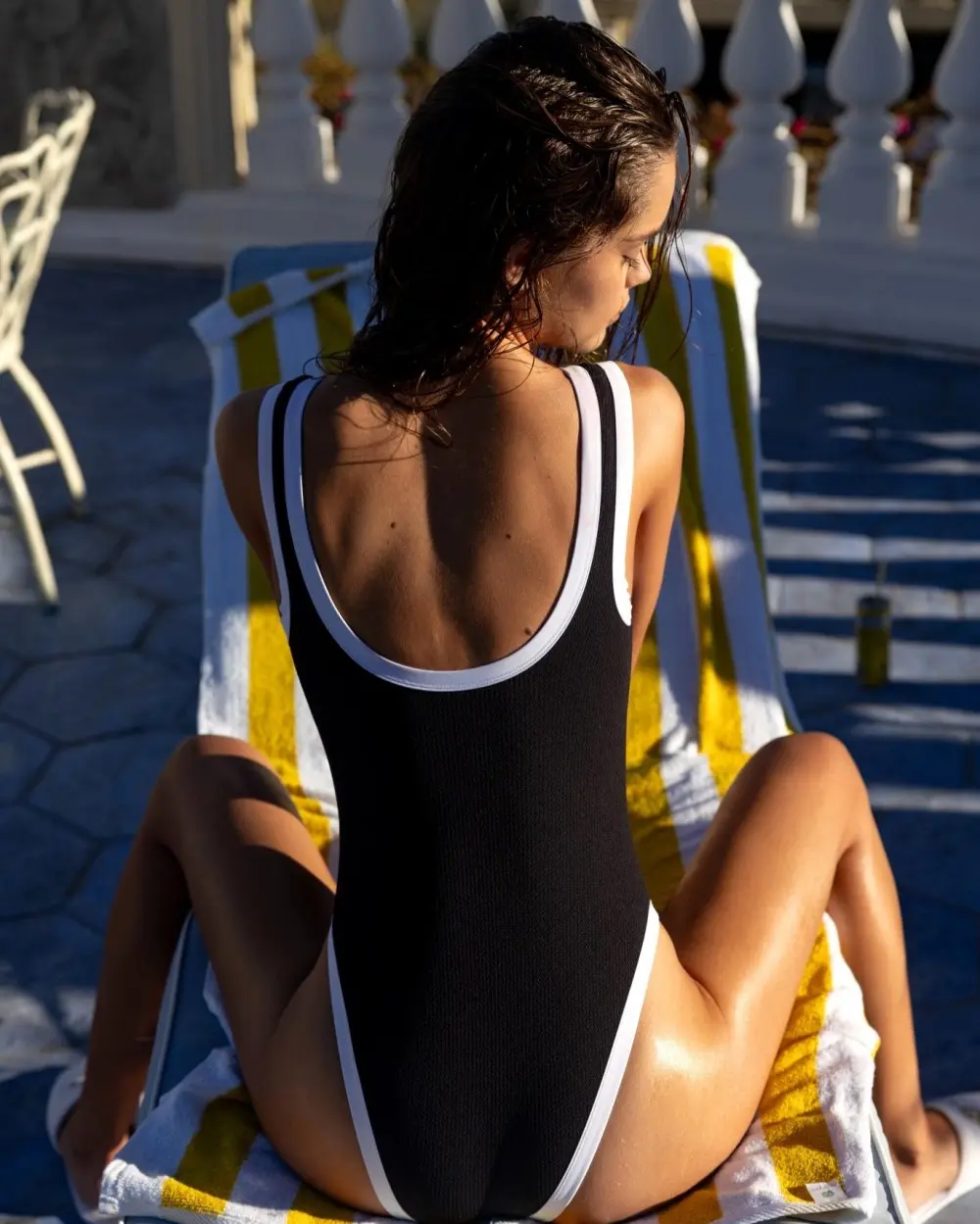
Australia boasts one of the most vibrant, demanding, and competitive swimwear markets in the world. With a deep beach culture, year-round sun exposure, and strict regulatory standards, Australian consumers expect nothing short of high-performance durability, flawless fit, and exceptional design from their swimwear. Whether you are launching an emerging boutique label or scaling an established apparel business, finding the right manufacturing partner is critical to long-term success. Navigating factory capabilities, fabric technology, minimum order quantities (MOQs), and compliance requires a strategic approach. This comprehensive Australia swimwear sourcing guide breaks down the essential factors you must evaluate before finalizing your production partnership.
Understanding the Unique Demands of the Australian Swimwear Market
The Australian beach environment presents distinct conditions that directly influence swimwear manufacturing requirements. Harsh UV rays, high saltwater exposure, and heavy chlorine contact from pool usage mean that standard garments simply do not hold up.
When evaluating potential suppliers, your brand must prioritize partners who understand these localized environmental demands. A reliable factory must demonstrate experience in handling specialized four-way stretch fabrics, high-grade elastics, and saltwater-resistant dyes. Aligning with suppliers familiar with Australian quality standards reduces your rate of customer returns, protects brand equity, and ensures product longevity.
Fabric Quality, Material Selection, and Technical Performance
Fabric is the foundation of any successful swimwear collection. Because swimwear requires intense elasticity, shape retention, and resistance to environmental breakdown, evaluating a supplier’s fabric sourcing network is paramount.
High-Performance Synthetic Blends
Standard fashion textiles lack the technical construction needed for swim garments. Look for suppliers that offer premium nylon-spandex (polyamide) or polyester-spandex fabrications. Polyamide offers a soft hand feel, fast-drying properties, and superior abrasion resistance against sand and pool edges. Polyester blends, on the other hand, deliver higher chlorine resistance, making them ideal for performance and lap swimwear.
Sun Protection and UPF Testing
Sun safety is a top priority for Australian consumers. Australian standards place heavy emphasis on Ultraviolent Protection Factor (UPF) ratings. Your chosen factory should provide verified UPF 50+ fabrics or work directly with accredited textile mills that can provide certified lab reports for sun protection, colorfastness, and chlorine degradation.
Sustainable and Recycled Materials
Sustainability has evolved from a niche preference to a baseline expectation in the Australian apparel market. Modern consumers actively seek eco-friendly options like ECONYL® (regenerated nylon sourced from ghost fishing nets and ocean plastic) or Repreve® (recycled polyester). Ensure your prospective supplier has verified supply chains for sustainable textiles, along with certifications like OEKO-TEX Standard 100 or the Global Recycled Standard (GRS).
Supplier Technical Expertise and Specialized Machinery
Swimwear construction requires machinery and sewing techniques distinct from standard outerwear or daywear apparel. Partnering with a general garment factory that lacks dedicated swimwear experience often leads to seam bursting, uneven stretch, raw seam exposure, and ill-fitting garments.
When auditing potential factories, check for the following technical capabilities:
- Specialized Stitching Machines: The factory must utilize flatlock, coverstitch, and overlock machinery calibrated specifically for high-stretch elastic threads.
- Elastic Application Mastery: Swimwear relies heavily on clear elastic (such as Framilon), plush-back elastics, and silicone grips for strapless cuts. Incorrect tensioning during seam attachment causes gathering or leg-opening gaping.
- Hardware Sourcing and Attachment: High-grade swimwear requires corrosion-resistant rings, sliders, underwire channels, and metallic clasps that withstand sea salt and chlorine.
- Lining Techniques: Proper lining attachment prevents raw seams from chafing and guarantees wet opacity—ensuring fabrics remain non-sheer when submerged.
Minimum Order Quantities, Scalability, and Production Costs
Financial feasibility hinges on balancing production volume with unit cost. Emerging Australian brands often face challenges when traditional overseas factories demand strict minimum order quantities (MOQs) of 500 to 1,000 units per style or colorway.
Low MOQ vs. High Volume Suppliers
If you are launching a new line or testing market demand, target suppliers that offer low MOQ options (e.g., 50 to 100 pieces per style). While unit costs may be slightly higher on smaller runs, low MOQs reduce financial risk, lower inventory holding costs, and free up capital for marketing and design iteration.
Total Cost of Ownership (TCO)
Do not assess suppliers based solely on FOB (Free On Board) garment prices. Calculate the comprehensive landed cost per unit, which includes:
- Tech pack creation and pattern grading fees
- Sample development costs and courier shipping cycles
- Customs duties, import taxes, and GST clearance into Australia
- Freight forwarding costs (Air freight vs. Ocean freight)
- Quality control inspection fees
Sampling Process, Fit Consistency, and Quality Control
The transition from a design tech pack to a mass-produced bikini or one-piece requires rigorous sampling. Fit precision is paramount in swimwear—a few millimeters of variance in cut or elastic tension drastically alters how a swimsuit sits on the body.
Sampling Iterations and Water Testing
Request initial proto-samples to test basic construction and pattern accuracy. Once pattern corrections are made, request pre-production samples in the exact final fabric, lining, color, and trim combinations.
Always conduct real-world wear testing on your samples:
- Test garments in salt water and chlorinated pools.
- Evaluate shape recovery, stretching, and waistband sag after multiple wash cycles.
- Check wet opacity under bright light to verify lining adequacy.
- Test hardware resistance against rust and discolouration.
In-Line and Final Quality Inspections
Establish strict Quality Control (QC) protocols before mass production begins. Agree on acceptable quality limits (AQL standards) with your supplier. Employ third-party inspection agencies or conduct on-site audits during mid-production and prior to final packaging to catch defects early.
Onshoring vs. Offshore Manufacturing for Australian Brands
Deciding whether to manufacture locally in Australia or offshore in regions like Bali, Vietnam, China, or India is a major strategic decision.
Onshore Sourcing (Made in Australia)
Manufacturing locally allows for tighter control over quality, ethical standards, and shorter lead times. It eliminates long international shipping delays, simplifies communication across local time zones, and allows brands to leverage the prestigious “Made in Australia” tag. However, local production typically commands higher labor costs and smaller overall factory scale.
Offshore Sourcing
Offshore manufacturing provides significant cost advantages for higher-volume runs, access to vast fabric markets, and extensive specialized machinery networks. The trade-offs include longer lead times, potential language barriers, higher shipping fees, and complex import logistics. Working with experienced sourcing agents or specialized apparel management partners can bridge these gaps effectively.
Ethical Standards, Sustainability, and Legal Compliance
Australian consumers and regulatory bodies place immense emphasis on labor ethics, product safety, and commercial transparency.
Factory Ethics and Audits
Ensure your manufacturing partner guarantees fair wages, safe working conditions, reasonable hours, and zero child labor. Reputable factories should possess recognized ethical accreditations such as Sedex (SMETA), WRAP (Worldwide Responsible Accredited Production), or BSCI.
Compliance with Australian Consumer Law
Your finished garments must strictly comply with Australian labeling standards. Care labels must include clear care instructions in English, fiber content percentages, country of origin disclosures, and appropriate safety details (especially critical for children’s swimwear regulations).
Final Thoughts
Building a resilient, profitable brand starts with choosing a reliable manufacturing partner. By utilizing this Australia swimwear sourcing guide to vet potential suppliers across technical capabilities, fabric standards, MOQs, ethical practices, and quality control, you establish a firm foundation for long-term commercial growth. Take the time to sample thoroughly, communicate clearly through detailed tech packs, and foster a collaborative supplier relationship to consistently deliver high-quality swimwear that stands out in the Australian market.