
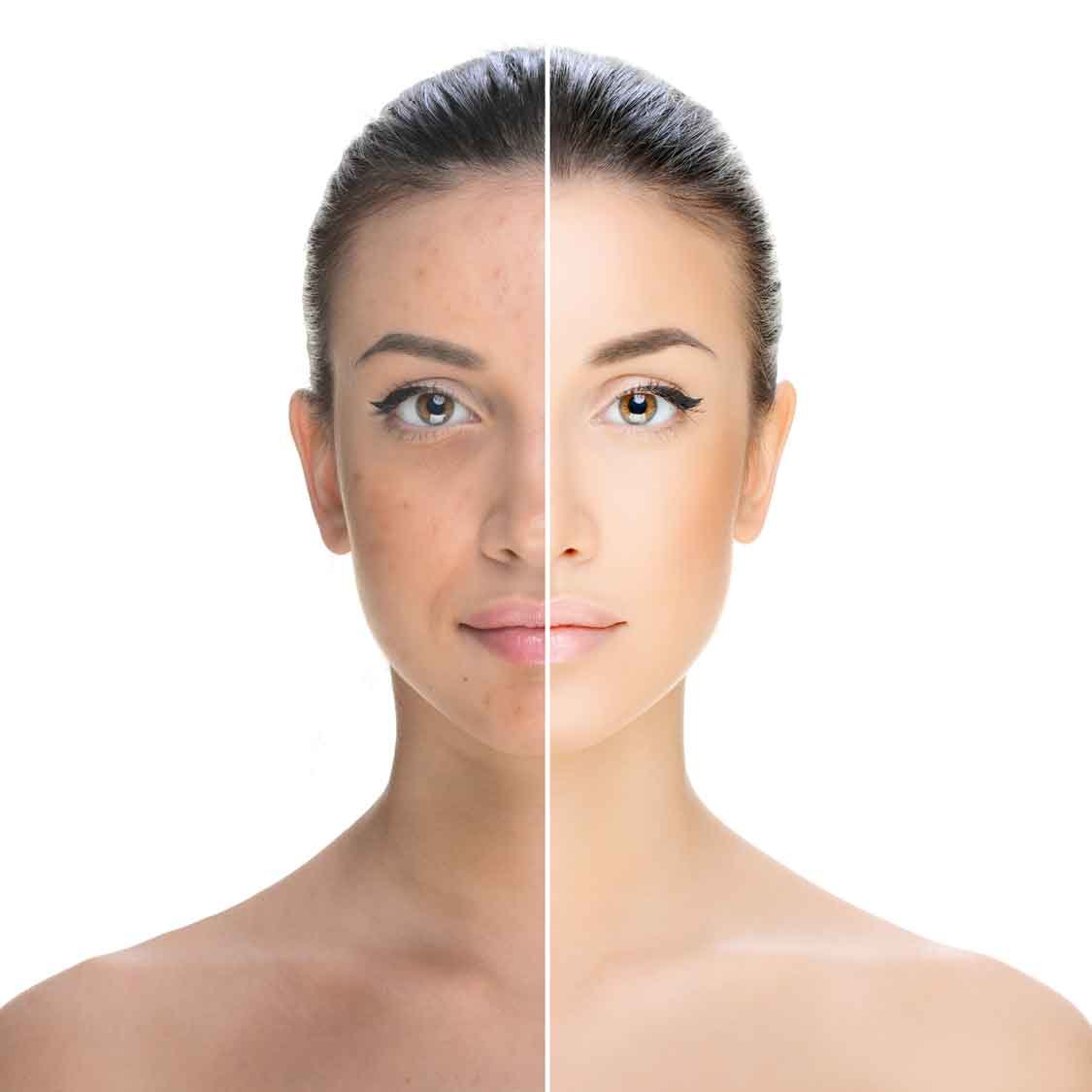
Dealing with stubborn dark spots, sun damage, or uneven skin tone can feel like an endless uphill battle. While topical serums, chemical peels, and prescription creams offer gradual improvements, many individuals eventually turn to advanced technology for faster, more dramatic results. If you are considering modern skincare solutions, understanding what to expect during Laser Treatments for Hyperpigmentation can help alleviate anxiety and set realistic expectations for your skin-rejuvenation journey.
Understanding Hyperpigmentation and How Lasers Work
Hyperpigmentation occurs when excess melanin—the pigment responsible for skin, hair, and eye color—is produced in specific areas of the skin, leading to dark patches or spots. This overproduction can be triggered by sun exposure, hormonal fluctuations, inflammation, or acne scarring.
Types of Hyperpigmentation Treated with Lasers
Not all dark spots are created equal, and knowing your specific skin concern is crucial for effective treatment. Lasers are commonly used to target:
- Sun spots and age spots: Localized flat brown spots caused by cumulative UV exposure.
- Melasma: Hormonally driven patches, often appearing on the face, which require specialized, gentle laser care.
- Post-inflammatory hyperpigmentation (PIH): Dark marks left behind after acne blemishes, burns, or injuries heal.
The Science Behind Laser Therapy
Laser treatments for hyperpigmentation utilize concentrated beams of light tuned to specific wavelengths. These wavelengths are absorbed by the melanin pigment in the skin cells. The energy heats and shatters the melanin clusters into microscopic fragments, which the body’s natural immune system then safely metabolizes and clears away. Simultaneously, the thermal energy stimulates collagen production, improving overall skin texture and radiance.
Preparing for Your Laser Treatment Consultation
Before you ever step into the treatment room, a thorough consultation with a board-certified dermatologist or licensed laser technician is mandatory. This initial appointment ensures that the procedure is safe and tailored specifically to your skin profile.
Skin Type Assessment and the Fitzpatrick Scale
Professionals rely heavily on the Fitzpatrick scale—which classifies skin types based on how they respond to ultraviolet light—to determine the safest laser type and energy settings for your complexion. While older lasers posed higher risks of side effects for deeper skin tones, modern fractional and picosecond technologies are safer across a broader spectrum of skin tones when operated by an experienced provider.
Pre-Treatment Guidelines and Skincare Adjustments
To minimize risks and optimize your results, your provider will likely give you a strict pre-care checklist weeks before your appointment. Typical instructions include:
- Strict sun avoidance: Tanned or sunburned skin cannot be treated safely because excess melanin in the surrounding skin absorbs the laser energy, increasing the risk of burns or blistering.
- Halting active ingredients: You may be asked to stop using retinoids, alpha-hydroxy acids (AHAs), and beta-hydroxy acids (BHAs) for three to seven days prior to treatment to prevent excessive skin irritation.
- Avoiding photosensitizing medications: Certain antibiotics and NSAIDs can make your skin more sensitive to light.
What Happens During the Procedure?
Knowing the step-by-step reality of the procedure helps reduce pre-treatment jitters. On the day of your appointment, your skin will be thoroughly cleansed to remove any makeup, oils, or skincare products.
Step-by-Step Breakdown of a Session
Once your skin is prepped, protective eye shields or goggles will be placed over your eyes to block the bright laser flashes. The practitioner will then pass the handheld laser device across the targeted areas of your skin. You may feel a series of quick, pulsing sensations as the device delivers light energy. Depending on the size of the treatment area, a full session can take anywhere from fifteen to forty-five minutes.
Managing Pain and Sensations
Most patients describe the sensation of laser treatments for hyperpigmentation as feeling similar to the snap of a rubber band against the skin, accompanied by a localized warming or stinging sensation. For patients with lower pain tolerances or when using deeper-penetrating lasers, a topical numbing cream is typically applied thirty to forty-five minutes before the procedure to maximize comfort. Many modern laser platforms also feature built-in cooling mechanisms or chilled air streams to soothe the skin concurrently.
Immediate Post-Treatment and Recovery Phase
The recovery process varies depending on the type and intensity of the laser used. However, understanding what your skin will look like immediately afterward ensures you won’t panic during the healing phase.
What Your Skin Looks and Feels Like Right After
Immediately following your session, it is completely normal for your skin to look and feel as though you have a mild sunburn. Common immediate side effects include:
- Redness, warmth, and minor swelling in the treated zones.
- A slight tightening sensation in the skin.
- Temporary darkening of the pigmented spots (often called “coffee-ground” appearance), which indicates that the melanin has been successfully drawn to the surface.
The Healing Process: Darkening, Flaking, and Fading
Over the course of three to seven days following the treatment, those darkened spots will typically micro-crust or flake off gently as the skin regenerates. It is vital that you never pick, scrub, or force this flaking process, as doing so can lead to scarring or new hyperpigmentation. Once the micro-crusts shed, you will notice a clearer, more even skin tone underneath.
Potential Risks, Side Effects, and How to Minimize Them
While laser treatments for hyperpigmentation boast high efficacy rates, all medical-aesthetic procedures carry inherent risks. Knowing what to watch for helps you manage potential complications proactively.
Common Temporary Side Effects
Mild redness and temporary swelling usually subside within twenty-four to forty-eight hours. Using gentle, fragrance-free moisturizers and hydrating serums recommended by your practitioner can accelerate skin barrier recovery.
Rare Risks and Complications
In rare cases, improper laser settings or failure to follow aftercare instructions can lead to adverse effects, including:
- Post-inflammatory hyperpigmentation (PIH): Paradoxically, skin can sometimes darken in response to the thermal trauma, particularly in melasma patients or darker skin tones.
- Hypopigmentation: Loss of skin color in the treated areas if melanin cells are damaged.
- Infection or scarring: Extremely rare, primarily associated with improper wound care or picking at scabs.
Long-Term Results and Maintenance
Achieving a clear complexion is rarely a one-and-done deal. Maintaining your results requires both patience and a long-term commitment to skin health.
How Many Sessions Will You Need?
Depending on the depth and severity of your hyperpigmentation, dermatologists generally recommend a series of three to six treatment sessions spaced four to six weeks apart. This staggered schedule allows your skin adequate time to heal and regenerate between sessions.
Protecting Your Investment with Sun Protection and Skincare
The most critical factor in maintaining your results after laser treatments for hyperpigmentation is rigorous sun protection. UV rays trigger melanin production, meaning new sun spots will form if you fail to protect your newly treated skin.
- Wear a broad-spectrum sunscreen with an SPF of 30 or higher every single day, regardless of the weather.
- Reapply sunscreen every two hours if you are outdoors.
- Incorporate brightening ingredients like Vitamin C, niacinamide, or gentle retinoids into your long-term skincare routine as advised by your provider.
Embarking on this skincare journey requires preparation, patience, and professional guidance. By understanding what to expect at every stage of the process, you can approach laser treatments for hyperpigmentation with confidence, paving the way for a brighter, clearer, and more luminous complexion.