
Introduction
Cars are more than just a means of transportation. For many drivers, they represent personal style, creativity, and a passion for automotive design. While factory-produced vehicles are designed to appeal to a wide audience, custom modifications allow owners to create a look that reflects their individual preferences. One of the most popular ways to achieve this transformation is by installing custom bodykits.
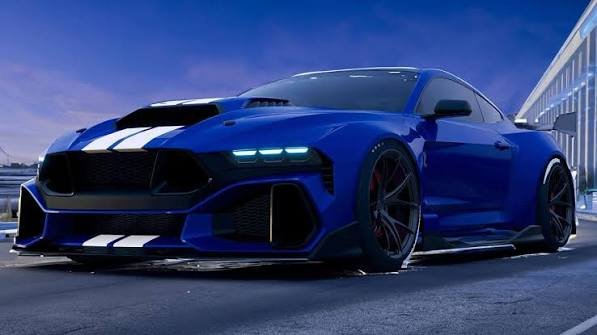
Custom bodykits can change a vehicle’s exterior appearance by adding distinctive bumpers, side skirts, spoilers, diffusers, and other styling components. These modifications can give an ordinary car a sportier appearance, a more aggressive profile, or a refined and sophisticated finish. Depending on the design, a bodykit may also influence aerodynamics and airflow.
Understanding how custom bodykits enhance car design and personalization helps vehicle owners make informed decisions about styling, materials, compatibility, and installation.
Understanding Custom Bodykits
A bodykit is a collection of exterior components designed to modify the appearance of a vehicle. These components are manufactured in different shapes, sizes, and materials to complement specific car models or create unique visual effects.
A typical bodykit may include front and rear bumpers, side skirts, front splitters, rear diffusers, fender extensions, and spoilers. Some packages contain only a few components, while others offer a complete exterior transformation.
Custom bodykits differ from standard replacement parts because they focus on personalized styling. Drivers can select designs that suit their preferred aesthetic, whether they want a subtle enhancement or a dramatic change.
Before choosing a kit, owners should consider their vehicle’s model, production year, existing modifications, and intended use. Proper compatibility helps ensure that the finished design looks balanced and functions as expected.
Creating a Unique Exterior Appearance
One of the biggest advantages of custom bodykits is their ability to transform a car’s exterior. Factory designs follow established styling principles, but aftermarket components provide additional opportunities for creativity.
Enhancing the Front-End Design
The front bumper plays an important role in defining a vehicle’s character. A custom front bumper can introduce sharper lines, larger air openings, sculpted surfaces, and a more prominent lower profile.
Drivers who prefer a sporty appearance may choose a design with angular details and an integrated splitter. Those who appreciate a cleaner aesthetic might select a smoother bumper with understated styling elements.
The key is choosing a front-end design that complements the vehicle’s original headlights, grille, hood, and overall proportions.
Improving the Side Profile
Side skirts create visual continuity between the front and rear sections of a vehicle. They can make a car appear lower and more streamlined without changing its roofline or fundamental body structure.
Custom fender extensions can also create a wider appearance, particularly when paired with suitable wheels and tires. However, owners should verify that the finished setup provides adequate tire clearance and complies with local regulations.
When designed carefully, these components create a cohesive appearance rather than making the vehicle look as though unrelated parts have been attached.
Transforming the Rear Design
Rear bumpers, diffusers, and spoilers help complete the overall styling package. A sculpted rear bumper can make the back of a vehicle appear more substantial, while a diffuser-inspired design introduces a motorsport influence.
Spoilers provide another personalization option. Small, understated designs can complement everyday vehicles, while more prominent styles create a performance-oriented appearance.
Every component should work with the rest of the bodykit to maintain visual balance.
Expressing Personal Style Through Customization
Personalization is one of the main reasons car enthusiasts invest in custom bodykits. Instead of accepting a standard factory appearance, owners can develop a design that reflects their interests and preferences.
Choosing a Design Theme
A clear styling theme helps guide the customization process. Popular approaches include sporty, aggressive, elegant, minimalist, and motorsport-inspired designs.
A sporty theme may feature pronounced side skirts, a front splitter, and a sculpted rear bumper. A minimalist approach might focus on subtle bumper extensions and clean lines. A motorsport-inspired appearance could incorporate a more prominent rear wing and functional aerodynamic components.
Selecting one consistent theme makes it easier to choose compatible parts and avoid unnecessary visual complexity.
Combining Bodykits With Paint and Finishes
Paint color and surface finish can significantly influence the appearance of a custom bodykit. Matching the bodykit to the original paint creates a factory-inspired finish, while contrasting colors can highlight individual components.
Gloss finishes often create a polished appearance, whereas matte finishes provide a more understated effect. Carbon-fiber-style finishes can introduce a technical, performance-oriented look.
Owners should also consider how the bodykit will coordinate with existing wheels, mirrors, lighting elements, and trim. A consistent color scheme helps the entire vehicle look professionally designed.
Adding Individual Details
Personalization does not always require a complete bodykit. Small changes, such as a front lip, revised side skirts, or a subtle rear spoiler, can create a noticeable difference.
Starting with a few carefully selected components can also make customization more manageable. Owners can evaluate the appearance of each modification before deciding whether additional parts are necessary.
Exploring Materials Used in Custom Bodykits
The material used to manufacture a bodykit affects its weight, durability, flexibility, appearance, and price.
ABS Plastic
ABS plastic is widely used for automotive exterior components because it offers a useful balance of flexibility, durability, and affordability. It can be molded into detailed shapes and is suitable for many everyday vehicles.
Its performance depends on the quality of the material, manufacturing process, and installation.
Fiberglass
Fiberglass allows manufacturers to produce complex shapes and distinctive designs. It is often selected for custom projects because it can be formed into a variety of styles.
However, fiberglass components may be more susceptible to cracking from impacts than some flexible alternatives. Careful installation and appropriate handling are important.
Polyurethane
Polyurethane components can offer flexibility and resistance to minor impacts, making them useful for certain exterior applications. Their suitability depends on the specific formulation and construction.
Owners should check product specifications rather than assuming every polyurethane bodykit provides the same characteristics.
Carbon Fiber
Carbon fiber is associated with performance-oriented automotive design because of its high strength-to-weight ratio. It can create a premium appearance and may reduce component weight when compared with heavier alternatives.
However, carbon-fiber components are generally more expensive. Buyers should confirm whether a product is genuine carbon fiber, a carbon-fiber-reinforced composite, or simply a decorative imitation.
Understanding Aerodynamics and Performance
Although custom bodykits are often selected for their appearance, some components can also influence airflow around a vehicle.
Managing Airflow
Front splitters, spoilers, and underbody components can affect how air moves around the car. Depending on their shape and placement, properly engineered aerodynamic parts may influence lift, drag, and stability.
However, visual styling alone does not guarantee improved performance. An oversized spoiler or poorly designed bumper can create additional drag without delivering meaningful aerodynamic benefits.
Drivers interested in performance should look for components supported by credible testing or engineering information.
Considering Ground Clearance
Some bodykits extend below the original bumper or side panels. While these additions can create a lower, sportier appearance, they may also reduce practical ground clearance.
This can become an issue when navigating speed bumps, steep driveways, uneven roads, or parking ramps. Owners should consider local driving conditions before selecting particularly low-profile components.
Maintaining Everyday Usability
A well-planned bodykit should complement the vehicle’s regular use. Drivers who commute daily may benefit from subtle components that provide adequate clearance and resist common road conditions.
Vehicles intended for track events or specialized applications may have different requirements. Matching the design to the vehicle’s purpose helps avoid unnecessary inconvenience.
Selecting the Right Custom Bodykit
Choosing a suitable bodykit involves more than selecting an attractive design. Compatibility, quality, installation, and overall cost should all influence the decision.
Check Vehicle Compatibility
Bodykits are often designed for specific models, trims, and production years. Even vehicles that appear similar may have differences in bumper shapes, mounting points, sensors, or lighting arrangements.
Before purchasing, confirm the exact vehicle specifications and ask the supplier whether the kit fits the intended configuration.
Evaluate Fitment and Build Quality
Poorly fitting components can create uneven panel gaps, unwanted movement, and an unprofessional finish. High-quality products should have appropriate mounting points, consistent construction, and clear installation guidance.
It is also helpful to review genuine customer photographs and seek advice from experienced automotive professionals.
Establish a Realistic Budget
The total cost of customization includes more than the price of the bodykit. Painting, preparation, installation, replacement clips, and adjustments may add to the final expense.
Planning these costs in advance can prevent unexpected spending and help owners prioritize the components that matter most.
Consider Professional Installation
Some accessories are relatively straightforward to install, while complete bodykits may require specialist tools, careful alignment, and paint preparation.
Professional installation can improve fitment and reduce the risk of damaging the vehicle’s original panels. Owners should also verify that modifications do not interfere with parking sensors, cameras, headlights, or other safety-related systems.
Maintaining a Custom Bodykit
Regular maintenance helps preserve the appearance and condition of customized exterior components.
Wash the vehicle using suitable automotive cleaning products and avoid harsh chemicals that could damage painted or specialty finishes. Inspect mounting points periodically to identify loose fasteners, cracks, or other signs of wear.
Minor scratches and paint damage should be addressed promptly to prevent the finish from deteriorating further. Components exposed to road debris may need more frequent inspection.
Owners should also follow the manufacturer’s care instructions, especially when the bodykit uses specialized coatings or composite materials.
Legal and Safety Considerations
Before installing a custom bodykit, drivers should review applicable vehicle modification regulations. Requirements may cover protruding components, lighting visibility, registration, vehicle dimensions, and roadworthiness.
Bodykits should not create sharp exposed edges, obstruct required lights, or interfere with essential safety equipment. Modifications must also maintain appropriate clearance from tires and moving components.
If a vehicle is used on public roads, the finished setup should remain suitable for legal and safe operation. Checking local requirements before purchasing parts can prevent costly changes later.
Conclusion
Custom bodykits provide an effective way to enhance car design and express individual personality. From redesigned bumpers and side skirts to distinctive spoilers and diffusers, these components offer numerous opportunities to create a more personalized exterior.
The best results come from balancing creativity with practical considerations. Selecting compatible parts, choosing suitable materials, maintaining visual consistency, and investing in quality installation can make a significant difference to the finished vehicle.
Whether a driver prefers subtle styling improvements or a complete visual transformation, a thoughtfully selected bodykit can help create a vehicle that feels more distinctive and reflects personal taste. By considering design, durability, aerodynamics, budget, and road safety together, owners can enjoy a customized appearance without overlooking the practical needs of everyday driving.