
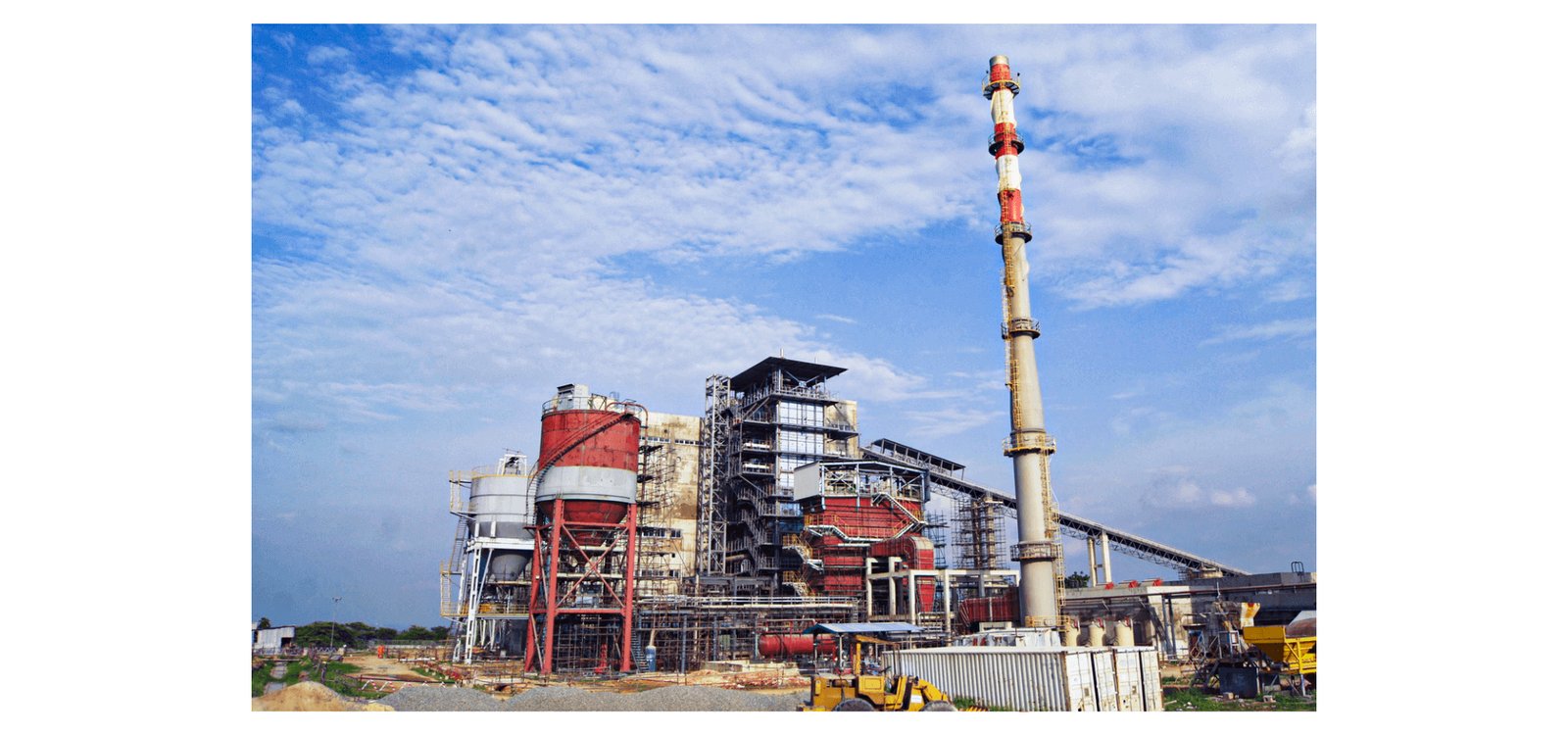
As energy demands continue to grow across industries, communities, and remote locations, many organizations are turning to small-scale power plant designs to meet their electricity needs efficiently and affordably. Whether you are powering a manufacturing facility, a commercial complex, a rural community, or a renewable energy project, choosing the right design is critical for long-term performance, cost control, and sustainability.
Selecting from various small-scale power plant designs requires a clear understanding of your energy requirements, available resources, budget, regulatory environment, and future expansion plans. This guide will help you evaluate the key factors and make an informed decision.
Understanding Small-Scale Power Plants
Small-scale power plants are electricity generation systems designed to produce power on a smaller capacity compared to large utility-scale plants. They are commonly used for localized power generation, backup systems, distributed energy networks, and off-grid applications.
What Defines a Small-Scale Power Plant?
Typically, small-scale power plant designs range from a few kilowatts (kW) to several megawatts (MW) in capacity. These plants can be powered by various energy sources, including:
- Diesel or natural gas generators
- Solar photovoltaic (PV) systems
- Wind turbines
- Biomass or biogas systems
- Small hydroelectric setups
- Hybrid energy systems
The flexibility of small-scale power plant designs makes them suitable for both urban and rural settings.
Assess Your Energy Requirements
Before selecting a design, you must clearly define your power needs.
Calculate Your Load Demand
Start by determining:
- Peak load (maximum power demand at any given time)
- Average load (typical day-to-day consumption)
- Seasonal variations in demand
- Critical loads that must never lose power
An accurate load assessment prevents under-sizing or over-sizing the system. Undersized systems may lead to power shortages, while oversized small-scale power plant designs can result in unnecessary capital expenditure.
Consider Future Expansion
Energy needs often increase over time. Choose small-scale power plant designs that allow modular expansion. For example, adding additional solar panels, generators, or battery storage units should be feasible without a complete redesign.
Choose the Right Energy Source
The energy source is one of the most important decisions when selecting among small-scale power plant designs.
Fossil Fuel-Based Systems
Diesel and natural gas generators are common due to:
- High reliability
- Quick installation
- Lower upfront costs
- Ability to handle fluctuating loads
However, they involve ongoing fuel costs and emissions. These systems are ideal for backup power or areas without renewable resources.
Renewable Energy Systems
Renewable small-scale power plant designs offer long-term savings and environmental benefits.
Solar Power
Solar PV systems are suitable for locations with good sunlight exposure. They have low operating costs and minimal maintenance but require battery storage or grid connection for continuous supply.
Wind Power
Wind-based designs are effective in areas with consistent wind speeds. However, site assessment is essential before installation.
Biomass and Biogas
If agricultural waste or organic materials are readily available, biomass-based small-scale power plant designs can be cost-effective and sustainable.
Small Hydro
In areas with flowing water, micro-hydro systems can provide stable and continuous electricity.
Hybrid Systems
Hybrid small-scale power plant designs combine multiple energy sources, such as solar and diesel or wind and battery storage. These systems enhance reliability and reduce fuel dependency.
Evaluate Site Conditions
The location of your project significantly influences the choice of small-scale power plant designs.
Land Availability
Some systems, such as solar farms or biomass plants, require more space. Others, like compact generator sets, need minimal footprint. Ensure your selected design fits within your available land area.
Climate and Environmental Factors
Consider:
- Solar radiation levels
- Wind patterns
- Water availability
- Temperature extremes
- Flood or seismic risks
For example, solar-based small-scale power plant designs perform best in sunny climates, while wind turbines require open, windy areas.
Budget and Financial Planning
Cost is a major factor when selecting small-scale power plant designs.
Capital Expenditure
Initial costs include:
- Equipment purchase
- Installation
- Site preparation
- Grid interconnection
- Engineering and design
Renewable systems may have higher upfront costs but lower operating expenses over time.
Operational and Maintenance Costs
Fuel-based small-scale power plant designs have recurring fuel expenses and higher maintenance needs. Renewable systems generally require less maintenance but may need periodic component replacement, such as inverters or batteries.
Return on Investment
Evaluate:
- Payback period
- Fuel savings
- Government incentives
- Carbon credits
- Reduced downtime costs
A life-cycle cost analysis helps you compare different small-scale power plant designs objectively.
Reliability and Performance Requirements
Reliability is crucial, especially for hospitals, data centers, manufacturing facilities, and critical infrastructure.
Base Load vs Backup Power
Determine whether the plant will:
- Serve as the primary power source
- Supplement grid electricity
- Act as emergency backup
For continuous operation, robust small-scale power plant designs with redundancy features are essential.
Energy Storage Integration
Battery energy storage systems enhance the reliability of renewable small-scale power plant designs. They store excess energy and supply power during low generation periods.
Regulatory and Environmental Compliance
Every region has regulations governing power generation.
Permits and Approvals
Ensure your selected small-scale power plant designs comply with:
- Environmental regulations
- Emission standards
- Noise limits
- Land use policies
- Grid connection requirements
Early consultation with local authorities prevents costly delays.
Environmental Impact
Renewable small-scale power plant designs typically have lower environmental impact compared to fossil fuel-based systems. Sustainability goals and corporate social responsibility commitments may influence your decision.
Technology and Supplier Selection
Choosing the right technology provider is just as important as selecting the design.
Proven Track Record
Work with suppliers who have experience in delivering reliable small-scale power plant designs. Review case studies, client references, and project portfolios.
Customization and Engineering Support
Every project has unique requirements. Opt for providers offering customized small-scale power plant designs tailored to your load profile, site conditions, and budget.
After-Sales Support
Long-term service agreements, spare parts availability, and technical support are essential for smooth operation.
Scalability and Flexibility
Energy systems should adapt to changing needs.
Modular small-scale power plant designs allow you to add capacity as demand grows. This flexibility reduces financial risk and ensures your investment remains relevant over time.
For example, adding additional generator units or expanding a solar array is easier with modular systems than with rigid, fixed-capacity installations.
Risk Assessment and Backup Planning
Every energy system carries certain risks.
Fuel Supply Risks
For fuel-based small-scale power plant designs, consider the stability of fuel supply chains and price volatility.
Resource Variability
Renewable systems depend on natural resources. Solar and wind output can fluctuate, making hybrid small-scale power plant designs more resilient.
Emergency Preparedness
Include redundancy, backup systems, and preventive maintenance plans to minimize downtime.
Final Considerations Before Making a Decision
Before finalizing your choice among available small-scale power plant designs, ensure you:
- Conduct a detailed feasibility study
- Perform technical and financial modeling
- Evaluate multiple design options
- Consult experienced engineers
- Consider long-term operational goals
Selecting the right small-scale power plant design is not just about immediate power generation. It is a strategic investment that impacts operational efficiency, sustainability, and profitability for years to come.
By carefully analyzing your energy requirements, site conditions, budget constraints, and growth plans, you can confidently choose from the many available small-scale power plant designs and implement a system that delivers reliable, cost-effective, and future-ready power solutions.