
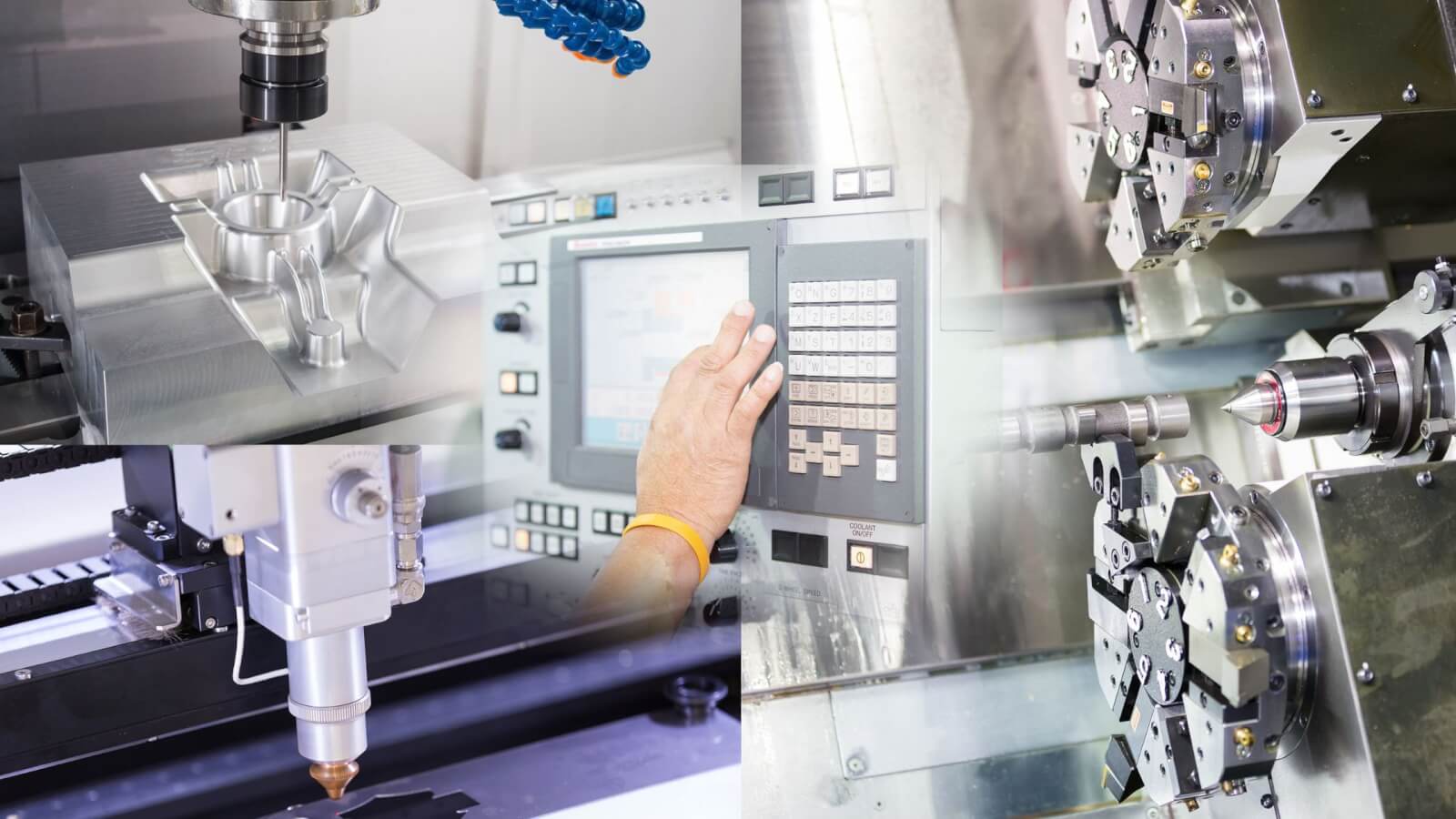
CNC precision machining has become a cornerstone of modern manufacturing, enabling industries to create complex parts with unmatched accuracy and efficiency. Whether in aerospace, automotive, medical devices, or electronics, CNC precision machining plays a crucial role in producing components that meet stringent quality standards. Understanding the basics of this technology is essential for anyone involved in manufacturing, engineering, or industrial design. This article delves into the fundamentals of CNC precision machining, exploring its mechanisms, advantages, types, and applications.
What is CNC Precision Machining?
CNC precision machining refers to the use of computer numerical control (CNC) systems to automate the operation of machine tools. Unlike traditional manual machining, CNC machining allows for highly precise cutting, shaping, and drilling of materials such as metals, plastics, and composites. The precision is achieved through computer-guided instructions that control the movement and operation of tools in multiple axes. This automation minimizes human error and ensures consistent production quality, even for complex geometries and tight tolerances.
The term “precision” in CNC precision machining emphasizes the ability to produce parts that meet exact specifications. Tolerances can often be within a few microns, which is critical for applications where reliability and performance are paramount. The combination of computer control and precision tooling has revolutionized manufacturing, making it possible to produce parts that were previously difficult or impossible to achieve with conventional methods.
How CNC Precision Machining Works
At its core, CNC precision machining involves a few key steps: design, programming, setup, and execution. It begins with creating a digital model of the part using computer-aided design (CAD) software. The CAD model is then converted into a CNC program through computer-aided manufacturing (CAM) software. This program contains instructions that control the movement, speed, and operation of the cutting tools.
The machine used in CNC precision machining typically has several axes of motion, with three-axis, four-axis, and five-axis machines being common. Each axis allows the cutting tool to move in a specific direction, enabling the creation of intricate shapes and angles. The CNC controller interprets the program and directs the machine to perform precise movements, ensuring each cut is accurate.
Materials are securely held in place on the machine bed, and cutting tools such as drills, lathes, and mills shape the material according to the programmed instructions. Sensors and feedback mechanisms often monitor the process in real time, allowing adjustments to maintain accuracy. This integration of software, hardware, and feedback systems makes CNC precision machining highly reliable and efficient.
Types of CNC Precision Machining
CNC precision machining encompasses several methods, each suited for specific applications. The most common types include CNC milling, CNC turning, and CNC grinding. CNC milling involves rotating cutting tools to remove material from a workpiece, allowing the creation of flat or complex surfaces. CNC turning, performed on a lathe, rotates the workpiece against a cutting tool to produce cylindrical parts. CNC grinding uses abrasive wheels to achieve high-precision finishes and tight tolerances, often for metal components.
Advanced CNC machines combine multiple methods in one setup, known as multi-axis or hybrid machining. These machines can perform milling, turning, and drilling operations without repositioning the workpiece, saving time and reducing errors. This versatility makes CNC precision machining suitable for producing prototypes, low-volume custom parts, and high-volume production runs.
Advantages of CNC Precision Machining
One of the primary advantages of CNC precision machining is its accuracy. Computer control ensures each part is produced to exact specifications, reducing waste and minimizing the risk of defective components. Consistency is another key benefit, as CNC machines can reproduce the same part multiple times with identical quality.
CNC precision machining also increases efficiency. Automated operations reduce the need for manual intervention, speeding up production and lowering labor costs. Additionally, CNC machines can operate continuously, including overnight or during weekends, maximizing output.
Flexibility is another advantage. Changes to part design can be implemented easily by updating the CNC program, eliminating the need for costly retooling. This makes CNC precision machining ideal for industries that require rapid prototyping or frequent design modifications.
Materials Used in CNC Precision Machining
CNC precision machining is compatible with a wide range of materials, including metals, plastics, composites, and ceramics. Metals such as aluminum, steel, titanium, and brass are commonly machined due to their strength and durability. Plastics like acrylic, nylon, and polycarbonate are also frequently used for lightweight components. Advanced composites and ceramics are machined for high-performance applications, such as aerospace or medical devices, where precision and material properties are critical.
The choice of material influences the selection of cutting tools, machine settings, and process parameters. Skilled operators and engineers must understand the characteristics of each material to optimize machining performance and achieve the desired precision.
Applications of CNC Precision Machining
The applications of CNC precision machining are vast and span multiple industries. In aerospace, CNC precision machining produces turbine blades, engine components, and structural parts that require extreme accuracy and reliability. The automotive industry relies on CNC machining for engine components, transmission parts, and custom prototypes. Medical device manufacturers use CNC machining to create surgical instruments, implants, and diagnostic equipment with exacting standards.
Electronics and consumer products also benefit from CNC precision machining, enabling the production of housings, connectors, and custom components. The ability to produce intricate designs with tight tolerances makes CNC precision machining indispensable for high-tech and specialized industries.
Future Trends in CNC Precision Machining
CNC precision machining continues to evolve with technological advancements. The integration of artificial intelligence, machine learning, and IoT (Internet of Things) is enabling smarter machines that can predict maintenance needs, optimize cutting paths, and improve overall efficiency. High-speed machining, additive manufacturing hybrid systems, and advanced tooling are expanding the capabilities of CNC machines, making it possible to achieve even greater precision and productivity.
Sustainability is also becoming a focus, with manufacturers seeking ways to reduce energy consumption, minimize waste, and recycle materials. These trends indicate that CNC precision machining will remain a critical technology in manufacturing while adapting to the demands of modern industry.
Conclusion
CNC precision machining is a transformative technology that combines computer control, advanced machinery, and skilled engineering to produce highly accurate parts. Understanding its fundamentals—including how it works, the types of machining available, materials used, and its applications—provides valuable insight into why it has become essential in modern manufacturing. With its precision, efficiency, and versatility, CNC precision machining continues to drive innovation across industries, ensuring the production of high-quality components that meet the exacting standards of today’s global market.