
Choosing the right extension cord for outdoor use is more important than simply selecting one with a convenient length. Outdoor environments expose electrical equipment to moisture, temperature changes, dirt, sunlight, and physical stress. A weatherproof extension cord is designed to handle these conditions more effectively while helping provide dependable power for tools, appliances, lighting, and other equipment. However, not every outdoor extension cord offers the same level of protection.
Understanding the key features before purchasing can help you select a cord that matches your electrical requirements and environmental conditions. From insulation and wire gauge to plug design and safety certifications, several factors deserve careful attention.
Understanding Weatherproof Extension Cords
A weatherproof extension cord is designed for use in environments where exposure to outdoor conditions is possible. Unlike basic indoor cords, outdoor-rated models generally use tougher insulation and construction materials that can withstand moisture, sunlight, temperature changes, and physical wear.
Weatherproof does not necessarily mean that a cord can be submerged in water or left exposed to severe weather indefinitely. The cord should always be used according to its rating and manufacturer instructions. Selecting the appropriate product begins with understanding the conditions in which it will operate.
Check the Wire Gauge
One of the most important specifications to consider is wire gauge. Wire gauge indicates the thickness of the conductors inside the extension cord. Generally, a lower gauge number means a thicker conductor capable of carrying more electrical current over a given distance.
For light-duty applications, a smaller extension cord may be sufficient. However, power tools, outdoor equipment, heaters, pumps, and other high-demand devices may require a heavier-gauge cord.
Using a cord that is too light for the connected equipment can cause excessive voltage drop and heat buildup. Therefore, always compare the cord’s amp rating with the power requirements of the equipment you intend to operate.
Consider the Cord Length
Length is another important consideration. A longer cord provides greater flexibility, but greater length can also increase electrical resistance and voltage drop.
Instead of automatically purchasing the longest available cord, choose a length that comfortably reaches the intended location without excessive extra cable. If you regularly need power far from an outlet, a properly rated longer cord is preferable to connecting several extension cords together.
Keeping the cord as short as practical can also make storage easier and reduce the likelihood of tangling or accidental damage.
Look for Durable Insulation
Outdoor extension cords should have insulation designed to tolerate environmental exposure. Durable outer jackets can help protect the internal conductors from abrasion, moisture, sunlight, and temperature fluctuations.
Some cords are manufactured with flexible materials that remain easier to handle in colder conditions, while others are designed for particularly demanding construction or industrial environments.
Inspect the jacket before every use. Cracks, cuts, exposed wires, or severe abrasions are signs that the cord should be removed from service rather than repaired casually.
Evaluate Plug and Connector Design
The plug and connector are critical components of an outdoor extension cord. A well-designed connector should provide a secure connection and help prevent accidental separation during use.
Some outdoor cords feature reinforced connector ends or covers designed to reduce moisture exposure. Three-prong grounding plugs are also important for equipment that requires grounding.
When selecting a cord, make sure its plug configuration matches the equipment and outlet. Never force an incompatible connection or remove the grounding prong to make a plug fit.
Consider Grounding and Safety Protection
Grounding is an essential safety feature for many outdoor electrical applications. A grounded three-prong extension cord can provide an additional path for electrical faults when used with a properly grounded outlet.
Outdoor outlets should also be protected by a ground-fault circuit interrupter, commonly called a GFCI. A GFCI can help reduce the risk of serious electric shock by interrupting power when it detects an imbalance in electrical current.
For outdoor work, combining an appropriately rated extension cord with suitable GFCI protection can provide an important layer of electrical safety.
Examine Weather Resistance
Weather resistance should match the environment where the cord will be used. If the cord will occasionally encounter rain or damp ground, look for a model specifically rated for outdoor use.
For harsher environments, consider cords with reinforced jackets and construction intended for prolonged outdoor exposure. If sunlight is a concern, UV-resistant materials can help extend the service life of the outer jacket.
Even a weather-resistant cord should not be treated as permanently waterproof. Avoid leaving electrical connections sitting in puddles or exposed unnecessarily to heavy rain.
Check Temperature Performance
Outdoor conditions can vary significantly throughout the year. Extremely hot or cold temperatures can affect the flexibility and durability of cable insulation.
If the cord will be used in a cold climate, look for a product designed to remain flexible at lower temperatures. For hot environments, choose insulation appropriate for the expected operating temperature.
Temperature ratings are particularly important for professional users who depend on extension cords for long periods or in demanding work environments.
Match the Cord to the Intended Application
The best extension cord depends heavily on what you plan to power. A cord used for outdoor decorative lights has different requirements from one used with a lawn mower, power saw, compressor, or high-powered equipment.
Before purchasing, identify the voltage, wattage, and amperage requirements of the equipment. Then choose an extension cord with an appropriate capacity.
Avoid connecting multiple high-power devices to a single extension cord unless the cord and electrical circuit are specifically rated for that combined load.
Consider Smart Energy Monitoring
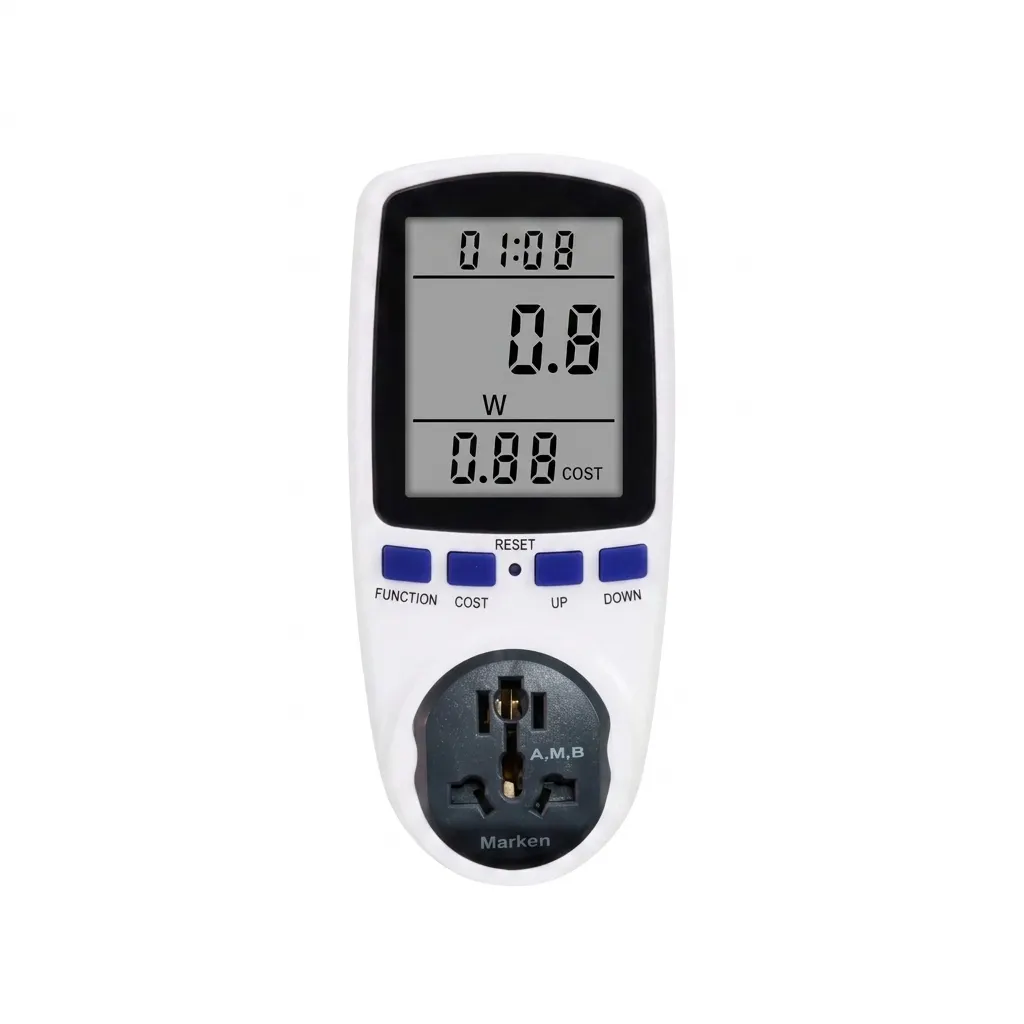
Modern electrical accessories can provide more information than simple power delivery. A Smart Plug Energy Monitor can help users track the electricity consumption of compatible devices and understand how much energy they are using.
While a Smart Plug Energy Monitor is not a replacement for a properly rated outdoor extension cord, it can complement an energy-conscious setup when the smart device itself is specifically designed and approved for the intended environment.
Energy monitoring can be particularly useful for outdoor equipment that operates regularly, allowing users to identify usage patterns and potentially reduce unnecessary electricity consumption.
Look for Safety Certifications
Recognized safety certifications can provide additional confidence when selecting an extension cord. Look for products that comply with applicable electrical safety standards and are appropriately marked for their intended use.
Certification markings should come from recognized testing or certification organizations relevant to your region. Be cautious with products that make vague safety claims without providing meaningful information about their electrical ratings or compliance.
Inspect Construction Quality
Physical construction can reveal a great deal about an extension cord’s expected durability. Look for reinforced ends, strong strain relief, flexible insulation, and connectors that feel securely assembled.
If the cord will be used around construction sites or heavy equipment, additional mechanical protection may be valuable. A rugged cord can better withstand repeated movement and handling than a basic lightweight model.
However, heavier construction does not automatically mean a cord is suitable for every application. Electrical ratings should always remain the primary consideration.
Safe Storage and Maintenance
Even the best weatherproof extension cord can deteriorate if it is stored or used improperly. After use, unplug the cord by gripping the plug rather than pulling on the cable.
Allow a damp cord to dry appropriately before storing it. Keep it away from sharp objects, excessive heat, chemicals, and locations where rodents or other hazards could damage the insulation.
Avoid tightly wrapping a cord immediately after heavy use if it is still warm. Proper storage can reduce unnecessary stress on the cable and help extend its useful life.
Final Considerations
Selecting a weatherproof extension cord requires more than choosing an outdoor-labeled product. Wire gauge, length, insulation, grounding, connector design, weather resistance, temperature performance, electrical capacity, and construction quality all contribute to safe and reliable operation.
It is equally important to match the cord to the equipment and environment rather than choosing based solely on price or appearance. For users interested in understanding energy consumption, a compatible Smart Plug Energy Monitor can also provide useful information about electricity usage.
By evaluating these features carefully and following safe electrical practices, homeowners, professionals, and outdoor equipment users can choose an extension cord that provides dependable performance while standing up to demanding outdoor conditions.