
Smoking heroin can have serious and potentially life-threatening effects on the body and mind. Although some people may mistakenly believe that smoking heroin is safer than injecting it, the drug remains highly addictive and can cause significant damage. Heroin is an opioid that changes how the brain processes pleasure, pain, breathing, and reward. Repeated use can quickly lead to dependence, tolerance, and addiction.
Understanding the consequences of heroin use is important for individuals who are struggling with opioid use as well as their families and friends. Professional support can make a major difference by providing medical supervision, psychological care, and practical strategies for recovery.
What Happens When Heroin Is Smoked?
When heroin is smoked, its active opioid effects reach the brain rapidly. The resulting changes can produce feelings of relaxation, euphoria, and drowsiness. These effects may be followed by impaired concentration, slowed reactions, and reduced awareness of surroundings.
The rapid onset of pleasurable effects can reinforce repeated use. Over time, the brain can adapt to the presence of opioids, meaning a person may need increasingly frequent or larger amounts to experience effects that previously occurred with less. This process can contribute to physical dependence and addiction.
The risks are not limited to the method of administration. Heroin itself can affect multiple organs and body systems, and illegally produced substances may contain unexpected contaminants or other potent opioids.
Effects on the Respiratory System
One of the most dangerous effects of heroin is respiratory depression. Opioids can interfere with the brain’s ability to regulate breathing. A person who takes heroin may begin breathing unusually slowly or may become difficult to wake.
Severe respiratory depression can deprive the brain and other organs of oxygen. In extreme cases, it can result in permanent brain injury or death. The danger becomes even greater when heroin is combined with alcohol, sedatives, or other substances that can also suppress breathing.
Smoking heroin can also expose the respiratory system to irritating substances and smoke. Repeated exposure may contribute to coughing, breathing difficulties, and other respiratory problems.
Effects on the Brain and Mental Health
Heroin directly affects the brain’s reward system. Repeated exposure can make obtaining and using the drug increasingly important while reducing interest in ordinary activities.
Addiction is not simply a matter of willpower. Long-term opioid exposure can produce changes in brain circuits associated with reward, decision-making, stress, and impulse control. As dependence develops, stopping heroin can become extremely difficult without appropriate assistance.
Mental health can also be affected. Some individuals experience anxiety, depression, irritability, social withdrawal, or worsening psychological distress. Existing mental health concerns may become more difficult to manage when opioid use continues.
Effects on the Heart and Other Organs
Heroin can influence heart rate and blood pressure and may contribute to serious medical complications. Reduced oxygen levels caused by respiratory depression can place additional stress on the heart and other organs.
Long-term substance use may also interfere with nutrition, sleep, personal hygiene, and general health. People experiencing addiction may postpone medical care, allowing unrelated illnesses or drug-related complications to become more serious.
Because illicit heroin can vary greatly in strength and composition, the risk of poisoning or overdose can be unpredictable.
Tolerance, Dependence, and Withdrawal
Tolerance occurs when the body becomes accustomed to a drug and requires more of it to produce similar effects. Dependence occurs when the body adapts to continued exposure and reacts when the substance is reduced or stopped.
Heroin withdrawal can be extremely uncomfortable. Symptoms may include muscle aches, sweating, restlessness, nausea, abdominal cramps, diarrhea, anxiety, insomnia, and strong cravings. Although opioid withdrawal is not usually fatal by itself, it can be difficult to manage and can increase the risk of returning to opioid use.
After a period without heroin, tolerance can fall. If someone then returns to a previously familiar amount, the body may no longer tolerate it, increasing overdose risk.
Recognizing an Opioid Overdose
An opioid overdose is a medical emergency. Warning signs can include extreme sleepiness, inability to wake, slow or absent breathing, very small pupils, limpness, and unusual skin coloration, particularly bluish or grayish lips or fingertips.
Naloxone is an opioid overdose reversal medication that can rapidly restore breathing in many opioid overdoses. People who are at risk of opioid overdose, as well as family members and caregivers where appropriate, should learn how naloxone is obtained and administered in their area.
Emergency medical assistance should be contacted immediately when an overdose is suspected. A person who appears unconscious after opioid use should not simply be left to sleep.
Why Professional Support Matters
Trying to stop heroin without support can be challenging because addiction involves physical, psychological, and behavioral factors. Healthcare professionals can evaluate a person’s overall health, substance-use history, mental health, and individual recovery needs.
Evidence-based treatment for opioid use disorder may include medications such as buprenorphine or methadone, along with counseling and behavioral support. These treatments can reduce cravings, help stabilize recovery, and lower the risk of overdose.
Medical professionals can also monitor withdrawal symptoms and identify complications that require treatment. A personalized approach is particularly important because every person’s circumstances are different.
Counseling and Recovery Support
Medication is only one possible part of recovery. Counseling can help people understand triggers, manage cravings, develop healthier coping strategies, and address emotional or social factors connected with substance use.
Support groups, family counseling, peer recovery programs, and community services can provide additional encouragement. Recovery does not always happen in a straight line, and setbacks do not mean that treatment has failed. Professional support can help individuals return to treatment and continue working toward stability.
Families can also benefit from education. Learning about addiction can help relatives respond with compassion while maintaining appropriate boundaries and encouraging professional care.
Building a Safer Path Forward
Anyone currently using heroin should consider speaking with a qualified healthcare professional or addiction treatment provider. Medical advice is especially important for people who use opioids regularly, combine substances, have other medical conditions, or have experienced an overdose.
If immediate danger is present, emergency services should be contacted rather than attempting to manage a serious overdose alone.
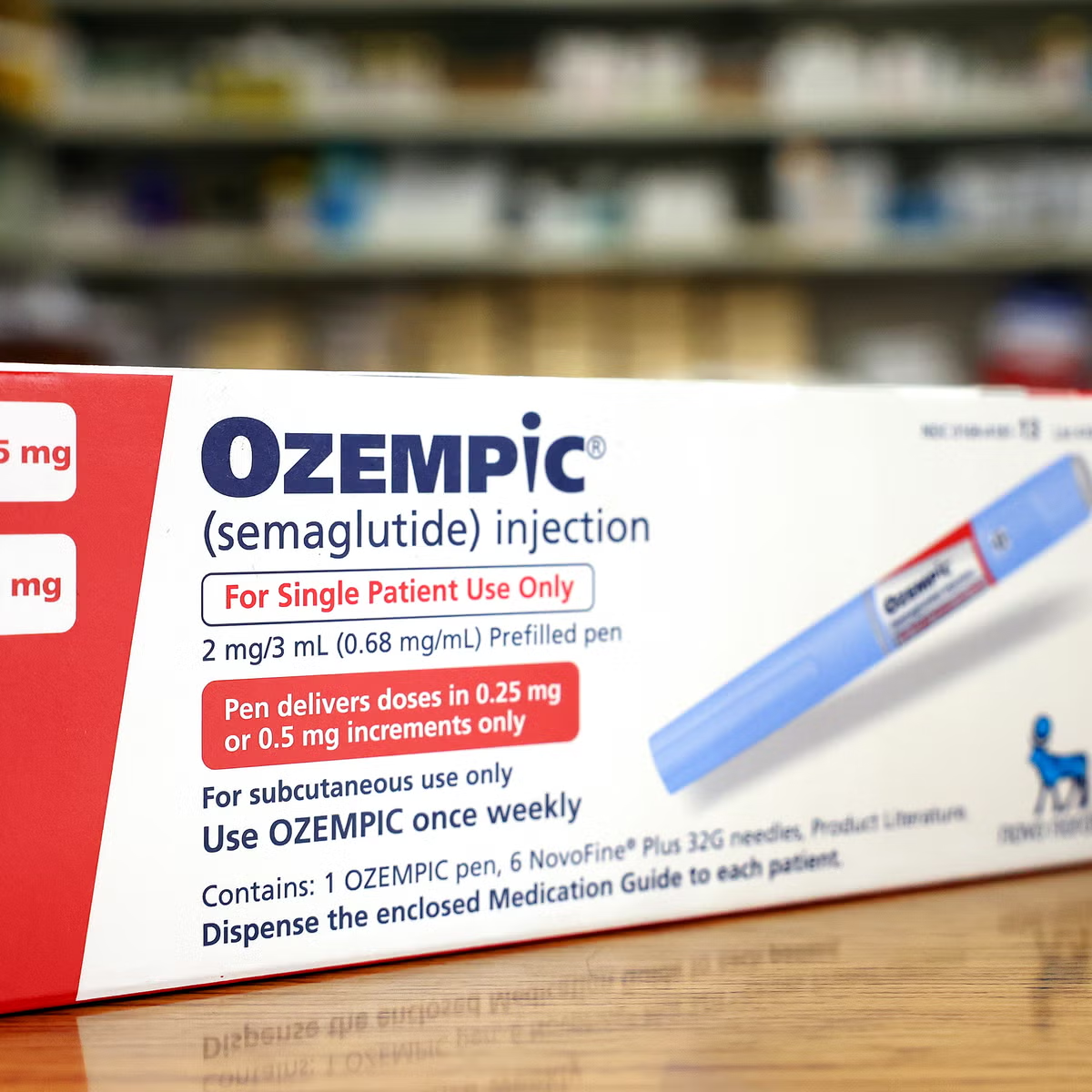
It is also important to be cautious with unrelated medication searches and pricing information. For example, the phrase ozempic 0 5 mg prezzo concerns pricing for a different prescription medicine and should not be confused with treatment for opioid use disorder. Medication decisions should always be based on a healthcare professional’s assessment rather than online pricing searches.
The Importance of Compassionate Treatment
Stigma can prevent people from asking for help. Addiction is a serious health condition, and approaching it with compassion can make treatment more accessible. Criticism and shame rarely solve the underlying problem, while practical support can encourage someone to seek care.
Friends and relatives can help by listening without judgment, encouraging professional evaluation, learning about overdose prevention, and supporting healthy recovery goals. They should also recognize that they cannot treat addiction by themselves.
Conclusion
Smoking heroin can affect breathing, brain function, cardiovascular health, mental well-being, and overall quality of life. The rapid development of tolerance and dependence can make continued use difficult to control, while reduced tolerance after abstinence can make relapse particularly dangerous.
Professional treatment provides an important pathway toward recovery. Medical care, evidence-based medications, counseling, overdose education, and ongoing support can help people reduce harm and work toward long-term stability. Most importantly, seeking help is a sign of taking one’s health seriously, and effective support is available for people who are ready to begin the recovery process.