
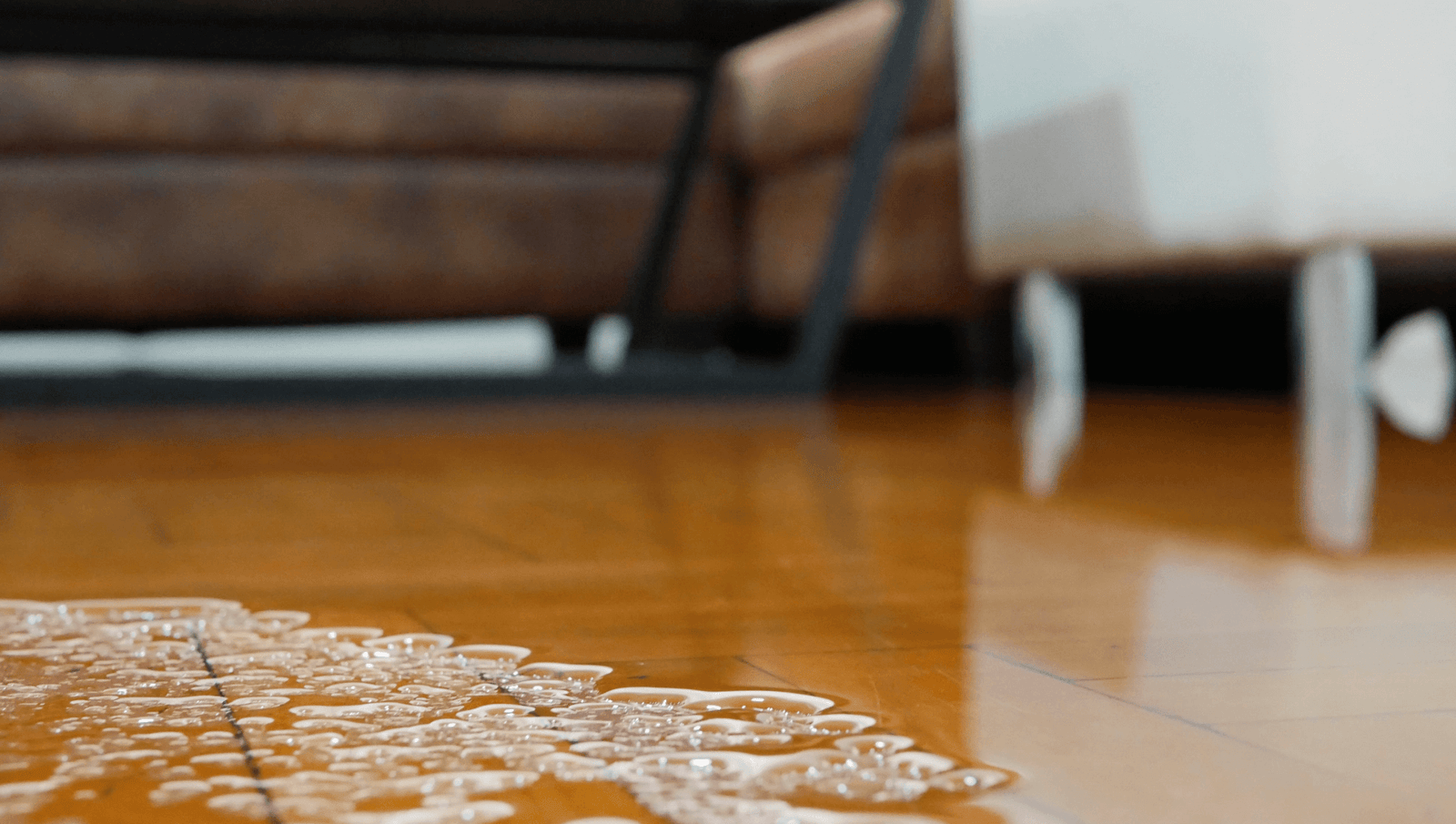
Water damage can strike unexpectedly, leaving homeowners in New Jersey with a challenging and stressful situation. From burst pipes to heavy storms, water can infiltrate your home and cause structural damage, mold growth, and ruined belongings. Effective water damage cleaning is crucial not only to restore your home but also to safeguard your health and property value. This guide will provide a comprehensive overview of how to handle water damage in NJ homes, step by step.
Understanding the Causes of Water Damage
Before diving into cleaning techniques, it’s important to understand the common causes of water damage in New Jersey homes. Weather-related events, such as hurricanes, heavy rain, and flooding, are major contributors. Additionally, plumbing failures like leaking pipes, malfunctioning appliances, and roof leaks can create localized water problems. Identifying the source quickly is essential to prevent further damage and to determine the proper water damage cleaning approach.
Immediate Steps to Take After Water Damage
When water damage occurs, time is of the essence. The first step is to ensure safety. Turn off electricity if water has come into contact with outlets or wiring. Once safety is secured, the next step is to assess the extent of the damage. Remove any standing water using buckets, mops, or wet/dry vacuums. It’s important to start water damage cleaning immediately because stagnant water can quickly lead to mold growth, which poses health risks and complicates restoration efforts.
Water Extraction and Drying Techniques
Water extraction is a critical phase in water damage cleaning. Using professional-grade equipment like submersible pumps or wet/dry vacuums ensures that water is removed efficiently from floors, carpets, and hard-to-reach areas. After extraction, the focus shifts to drying. High-powered fans, dehumidifiers, and air movers help eliminate moisture trapped in walls, flooring, and furniture. In NJ homes, especially during humid summers, maintaining proper airflow and humidity levels is essential to prevent mold growth.
Cleaning and Sanitizing Affected Areas
Once water is removed and the home is drying, cleaning and sanitizing become the priority. Water from floods or broken pipes can carry bacteria and contaminants that pose health risks. Using specialized cleaning solutions designed for water damage cleaning helps disinfect surfaces and prevent microbial growth. Furniture, fabrics, and personal items should also be cleaned and dried carefully to prevent permanent damage. In many cases, professional restoration services in New Jersey offer deep cleaning solutions that homeowners cannot easily replicate.
Addressing Mold and Mildew
Even after thorough water damage cleaning, there’s a risk of mold and mildew developing. Mold spores thrive in damp environments, and if not handled promptly, they can cause allergic reactions and respiratory issues. Homeowners should inspect hidden areas such as behind walls, under flooring, and inside cabinets. If mold is detected, professional remediation may be necessary to ensure complete removal. NJ homes, especially older buildings with poor ventilation, are particularly susceptible to mold after water incidents.
Restoring Structural Integrity
Water damage can weaken the structural components of a home. Drywall, insulation, and flooring may need repair or replacement. During water damage cleaning, it’s important to evaluate the integrity of these materials. Restoration efforts may involve removing damaged drywall, replacing soaked insulation, and refinishing floors. Consulting a professional restoration service ensures that repairs are done correctly, maintaining the safety and value of your home.
Choosing the Right Water Damage Cleaning Service
While homeowners can manage minor water issues, severe flooding or pipe bursts often require professional intervention. NJ offers a range of water damage cleaning services that provide emergency response, advanced equipment, and expertise in restoration. When choosing a service, consider their certifications, response time, and reviews from other New Jersey homeowners. A reputable company can minimize damage, reduce costs in the long term, and help you recover your home efficiently.
Preventing Future Water Damage
After restoring your home, prevention is key. Regular maintenance of plumbing systems, roof inspections, and proper drainage around your property can significantly reduce the risk of water damage. Installing sump pumps, water alarms, and dehumidifiers in vulnerable areas can provide additional protection. By combining preventive measures with knowledge of effective water damage cleaning, homeowners in New Jersey can better protect their homes from future incidents.
Conclusion
Water damage cleaning in NJ homes requires a combination of quick action, proper equipment, and professional expertise. From immediate water extraction to thorough drying, sanitizing, mold remediation, and structural repairs, each step is essential to restore your home and maintain a healthy environment. By understanding the causes of water damage, taking prompt action, and working with qualified professionals, homeowners can minimize loss, protect their property, and ensure long-term safety. Investing in preventive measures further reduces the risk of future water incidents, making your home more resilient against the unexpected.
Effective water damage cleaning isn’t just about removing water—it’s about restoring your home and peace of mind. By following these guidelines, NJ homeowners can navigate the challenges of water damage efficiently and confidently.