
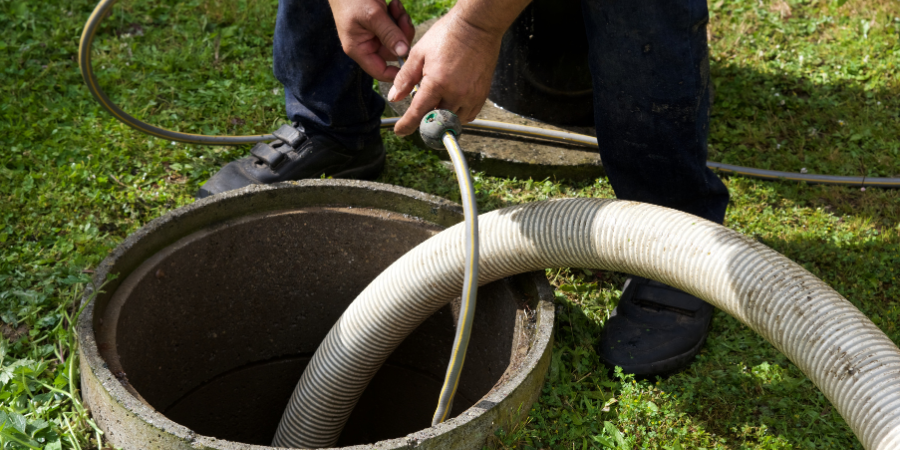
Sewer problems are among the most unpleasant and hazardous issues a homeowner can face. Many people underestimate the seriousness of a sewer backup until it happens in their own home or business. The question often asked is: are sewer backups dangerous The simple answer is yes. Sewer backups can pose significant health risks, damage property, and create long-lasting contamination if not handled properly.
When wastewater flows back into sinks, toilets, or basement drains, it carries harmful bacteria, viruses, and toxic substances. Ignoring the issue or attempting to clean it improperly can expose people to serious health hazards. Understanding why sewer backups are dangerous and how to respond quickly can protect your home and your health.
Understanding What a Sewer Backup Is
A sewer backup occurs when wastewater cannot properly flow through the drainage system and instead returns back through household plumbing fixtures. This situation can happen due to clogged pipes, tree root intrusion, damaged sewer lines, heavy rainfall, or overwhelmed municipal sewer systems.
When the system fails, contaminated water may flood basements, bathrooms, or floor drains. This wastewater is not just dirty water; it contains human waste, chemicals, bacteria, and other hazardous materials. That is one of the main reasons people frequently ask, are sewer backups dangerous, because the contamination level is extremely high.
Sewage water is often referred to as black water, which is considered the most hazardous type of water contamination in property damage situations.
Why Sewer Backups Are a Serious Health Risk
Many homeowners assume the problem is simply a plumbing inconvenience, but the reality is far more serious. If you are wondering are sewer backups dangerous, the health risks alone make them a major concern.
Exposure to Harmful Bacteria
Sewage contains a wide variety of dangerous microorganisms that can cause illness. These include bacteria such as E. coli, salmonella, and other pathogens that thrive in wastewater. When a sewer backup occurs, these bacteria can spread across floors, furniture, and walls.
People who come into contact with contaminated surfaces may experience infections, stomach illnesses, or skin irritation. Children, elderly individuals, and people with weakened immune systems are particularly vulnerable.
Risk of Viral Infections
Wastewater may also carry viruses that can spread through direct contact or contaminated air particles. These viruses can cause respiratory problems, gastrointestinal infections, and other serious illnesses.
This is another reason why experts often warn homeowners that are sewer backups dangerous is not just a question but a critical safety concern.
Mold and Fungal Growth
After a sewer backup, moisture and organic waste create an ideal environment for mold growth. Mold can start developing within 24 to 48 hours after water damage.
Mold exposure can trigger allergic reactions, asthma attacks, breathing difficulties, and other respiratory issues. If the sewage water remains untreated, the mold problem can quickly spread throughout the property.
Toxic Gas Exposure
Sewer systems naturally produce gases such as methane and hydrogen sulfide. During a backup, these gases can enter your home.
Hydrogen sulfide smells like rotten eggs and can cause dizziness, headaches, nausea, and breathing problems when inhaled. In high concentrations, it can even be life-threatening.
This is another reason why professionals emphasize that are sewer backups dangerous is a question every homeowner should take seriously.
Common Causes of Sewer Backups
Understanding what causes sewer backups can help homeowners prevent them. Several factors may lead to this unpleasant and hazardous situation.
Blocked Sewer Lines
Grease, paper products, and debris can accumulate inside pipes over time. When the blockage becomes severe, wastewater cannot pass through and begins flowing backward.
Tree Root Intrusion
Tree roots naturally grow toward moisture sources. If roots penetrate sewer lines, they can crack pipes or completely block the flow of wastewater.
Heavy Rainfall and Flooding
During intense storms, municipal sewer systems can become overwhelmed. When the system reaches capacity, wastewater may push back into homes through drains and plumbing fixtures.
Aging Sewer Systems
Older homes often have outdated sewer pipes that may crack, collapse, or corrode. These damaged pipes increase the likelihood of backups and leaks.
Property Damage Caused by Sewer Backups
In addition to health hazards, sewer backups can cause severe structural and property damage.
Damage to Flooring and Walls
Sewage water can soak into carpets, wood flooring, drywall, and insulation. Because the water is contaminated, these materials often cannot be salvaged and must be removed completely.
Destruction of Personal Belongings
Furniture, electronics, clothing, and stored items in basements are often destroyed during sewer backups. The contamination makes proper sanitation extremely difficult.
Long-Term Structural Issues
If sewage water penetrates structural components such as wooden framing or subfloors, it can lead to rot, weakening the integrity of the building over time.
This is why professionals repeatedly stress the importance of addressing the issue immediately when asking are sewer backups dangerous.
Signs You May Have a Sewer Backup
Early detection can reduce damage and health risks. Watch for these warning signs:
Multiple Drain Clogs
If several drains in your home begin clogging simultaneously, it may indicate a blockage in the main sewer line.
Sewage Odors
Persistent foul odors coming from drains, basements, or bathrooms can signal a sewer problem.
Water Backing Up in Fixtures
Water backing up into sinks, bathtubs, or toilets when other plumbing fixtures are used is a strong indicator of a sewer line issue.
Slow Draining Throughout the Home
If all drains in the home suddenly become slow, it could be a sign that the main sewer line is obstructed.
When these signs appear, it is important to act quickly because are sewer backups dangerous becomes an immediate safety concern.
What To Do If a Sewer Backup Happens
When sewage enters your home, quick action is essential to minimize health risks and damage.
Avoid Contact With Contaminated Water
Do not touch or walk through sewage water without protective gear. The water may contain harmful pathogens and chemicals.
Turn Off Electrical Power if Necessary
If the sewage water reaches electrical outlets or appliances, turn off electricity to the affected area to avoid electrical hazards.
Ventilate the Area
Open windows and doors to reduce odors and limit exposure to potentially harmful gases.
Contact Professional Cleanup Services
Sewage cleanup requires specialized equipment and disinfectants. Professionals use protective gear, industrial pumps, and antimicrobial treatments to safely restore the area.
Attempting to clean sewage contamination yourself can increase exposure to dangerous bacteria and viruses.
Preventing Future Sewer Backups
While not every backup can be prevented, homeowners can take steps to reduce the risk.
Avoid Flushing Improper Items
Never flush wipes, paper towels, grease, or hygiene products down the toilet. These materials can easily clog sewer lines.
Schedule Regular Sewer Inspections
Professional inspections can detect cracks, root intrusion, and early blockages before they become serious problems.
Install a Backwater Valve
A backwater valve allows wastewater to flow out of the house but prevents it from flowing back inside during sewer overloads.
Maintain Trees Near Sewer Lines
Tree roots are a major cause of pipe damage. Regular maintenance can help prevent root intrusion into sewer lines.
Why Immediate Action Is Critical
Ignoring a sewer backup can lead to serious consequences for both health and property. The longer contaminated water remains in a home, the more bacteria and mold can spread.
Professional restoration services not only remove contaminated water but also disinfect surfaces, eliminate odors, and restore safe living conditions.
For anyone wondering are sewer backups dangerous, the evidence is clear. Sewer backups expose people to harmful pathogens, toxic gases, mold growth, and costly structural damage.
Conclusion
Sewer backups are far more than a plumbing inconvenience. They represent a serious threat to health, safety, and property. Contaminated wastewater can carry dangerous bacteria, viruses, and chemicals that create immediate and long-term risks.
If a backup occurs, it is essential to avoid contact with sewage, ventilate the area, and contact professional cleanup experts immediately. Fast action can prevent illnesses, reduce property damage, and restore a safe living environment.