
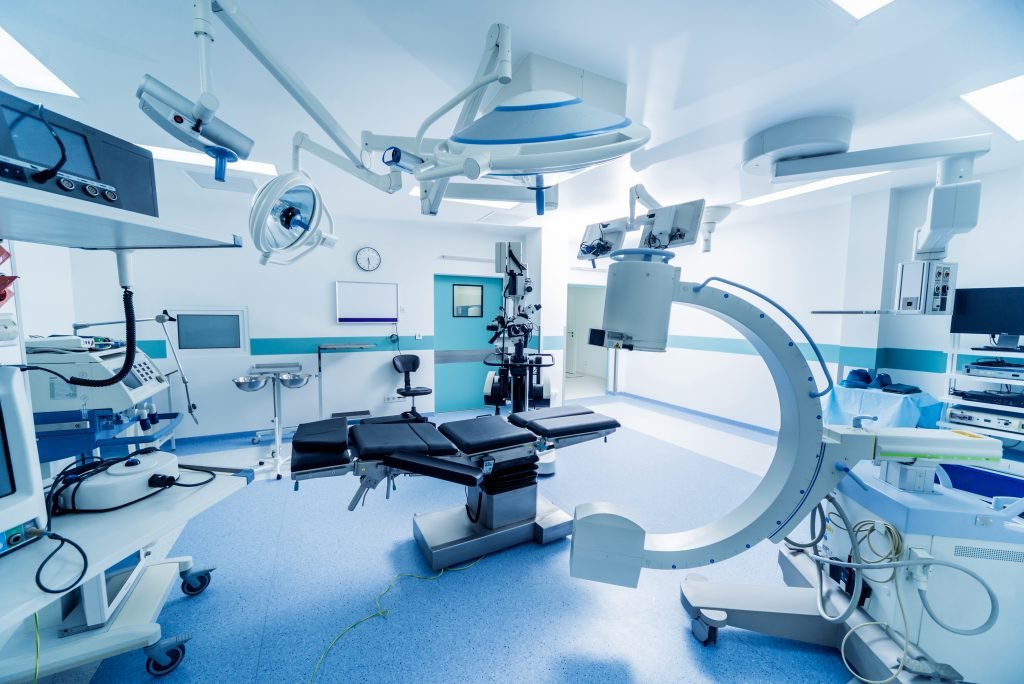
Starting a medical equipment supply business can be a profitable and impactful venture, especially as healthcare demand continues to grow worldwide. Hospitals, clinics, laboratories, and home healthcare providers all rely on high-quality medical equipment to deliver safe and effective care. If you plan carefully, understand regulations, and build strong supplier relationships, you can create a sustainable business that serves both the healthcare industry and your financial goals.
Understanding the Medical Equipment Industry
Before launching your business, it is essential to understand the structure of the medical equipment market. The industry includes a wide range of products, from basic consumables like gloves and syringes to advanced devices such as imaging machines, ventilators, and patient monitors.
You must decide which segment you want to serve. Many new businesses begin with fast-moving, lower-cost items because they require less capital and have consistent demand. Others focus on specialized equipment for dental clinics, physiotherapy centers, or home care patients. Choosing a niche helps you compete more effectively and build expertise.
Market research is crucial. Identify:
- Your target customers such as hospitals, private clinics, diagnostic labs, or pharmacies
- The most in-demand medical equipment in your region
- Pricing trends and profit margins
- Key competitors and their strengths
This information will shape your product selection, pricing strategy, and marketing approach.
Creating a Business Plan
A detailed business plan acts as your roadmap. It should outline your business model, startup costs, funding sources, and growth strategy.
Key Components of the Plan
Your plan should include:
- Business structure (sole proprietorship, partnership, or company)
- Target market and niche focus
- Product categories you will supply
- Estimated startup investment
- Operating expenses such as rent, staff, logistics, and licensing
- Revenue projections and break-even analysis
A solid plan also helps you secure financing from banks or investors if needed.
Legal Requirements and Licensing
The medical equipment sector is regulated because products directly affect patient safety. You must comply with all local health authority and trade regulations before starting operations.
Registration and Permits
Common requirements include:
- Business registration with the appropriate government authority
- A medical device or medical equipment distribution license
- Tax registration and invoicing compliance
- Import permits if you plan to source products internationally
Some equipment may require special approval or certification, especially diagnostic or life-support devices. Always verify regulatory standards in your country to avoid legal issues.
Choosing the Right Product Range
Selecting the right products is one of the most important decisions in your business.
High-Demand Starter Products
Many successful suppliers begin with:
- Disposable gloves, masks, and syringes
- Thermometers and blood pressure monitors
- Nebulizers and oxygen accessories
- Hospital furniture like beds and wheelchairs
- Basic surgical instruments
These items sell frequently and require lower investment compared to large machines.
As your business grows, you can expand into advanced medical equipment such as ECG machines, ultrasound devices, or laboratory analyzers.
Finding Reliable Suppliers
Your reputation depends on the quality of the products you sell. Partnering with reliable manufacturers and wholesalers ensures consistent supply and customer trust.
What to Look for in Suppliers
Choose suppliers who offer:
- Certified and quality-approved products
- Competitive wholesale pricing
- Warranty and after-sales support
- Fast and reliable delivery
- Clear documentation and product specifications
Building long-term relationships with suppliers can also give you better pricing and priority stock access.
Setting Up Storage and Inventory Management
Medical products must be stored properly to maintain safety and effectiveness. Even basic items like gloves and syringes can be damaged by heat, moisture, or poor handling.
Storage Best Practices
Your storage facility should have:
- Clean, dust-free conditions
- Temperature and humidity control where required
- Organized shelving for easy access
- Separate areas for sterile and non-sterile items
Inventory management software can help you track stock levels, expiry dates, and reorder points, reducing losses and improving efficiency.
Pricing Strategy and Profit Margins
Pricing must balance competitiveness with profitability. Research the market rates for each type of medical equipment and determine your markup.
Factors That Affect Pricing
Consider:
- Purchase cost and shipping expenses
- Import duties and taxes
- Storage and operational costs
- Competitor pricing
- Bulk order discounts
Offering flexible pricing for large clients like hospitals can help you secure long-term contracts.
Building a Customer Base
Your primary customers will be healthcare providers. Building trust and professional relationships is essential for long-term success.
Effective Sales Strategies
To attract and retain clients:
- Visit hospitals and clinics in person
- Offer product demonstrations
- Provide catalogs with clear pricing and specifications
- Maintain consistent stock availability
- Deliver orders on time
Word-of-mouth referrals are powerful in the healthcare industry, so reliable service can quickly grow your reputation.
Marketing Your Medical Equipment Business
Marketing in this industry is more relationship-driven than promotional. However, a strong professional presence still matters.
Online and Offline Marketing
You should:
- Create a professional website showcasing your products
- Use social media to share product updates and offers
- Register your business on B2B platforms
- Attend medical exhibitions and healthcare trade shows
- Network with doctors, hospital administrators, and procurement officers
Educational marketing, such as explaining how certain medical equipment improves patient care, can position you as a knowledgeable supplier rather than just a seller.
Hiring and Training Staff
As your business expands, you may need sales representatives, warehouse staff, and administrative support.
Staff Training Essentials
Your team should understand:
- Basic product knowledge
- Proper handling of medical equipment
- Customer service and communication skills
- Documentation and invoicing procedures
Well-trained staff improve efficiency and build customer confidence.
Managing Finances and Cash Flow
Healthcare clients sometimes operate on credit cycles, which means you may not receive immediate payment. Proper financial planning is necessary to maintain operations.
Financial Management Tips
- Keep sufficient working capital for inventory purchases
- Monitor receivables and follow up on payments
- Maintain clear records of expenses and revenue
- Use accounting software for accuracy
Strong cash flow management ensures you can restock products and fulfill orders without delays.
Expanding Your Business
Once your business becomes stable, you can scale in several ways.
Growth Opportunities
Consider:
- Adding advanced diagnostic or surgical medical equipment
- Supplying government hospitals through tenders
- Offering maintenance and repair services
- Expanding into home healthcare product supply
- Opening additional distribution branches
Diversification reduces risk and increases revenue streams.
Common Challenges and How to Overcome Them
Like any business, this industry has challenges.
Key Challenges
You may face:
- High competition
- Regulatory compliance requirements
- Delayed payments from large institutions
- Inventory management issues
These can be managed through strong planning, good supplier relationships, and efficient financial controls.
Conclusion
Starting a medical equipment supply business requires careful planning, regulatory compliance, and a strong focus on quality and customer relationships. By selecting the right niche, partnering with reliable suppliers, maintaining proper storage, and delivering consistent service, you can build a trusted brand in the healthcare sector.
The demand for medical equipment continues to grow as healthcare facilities expand and home care becomes more common. With the right strategy, dedication, and professionalism, your business can become a vital link in the healthcare supply chain while achieving long-term profitability.