
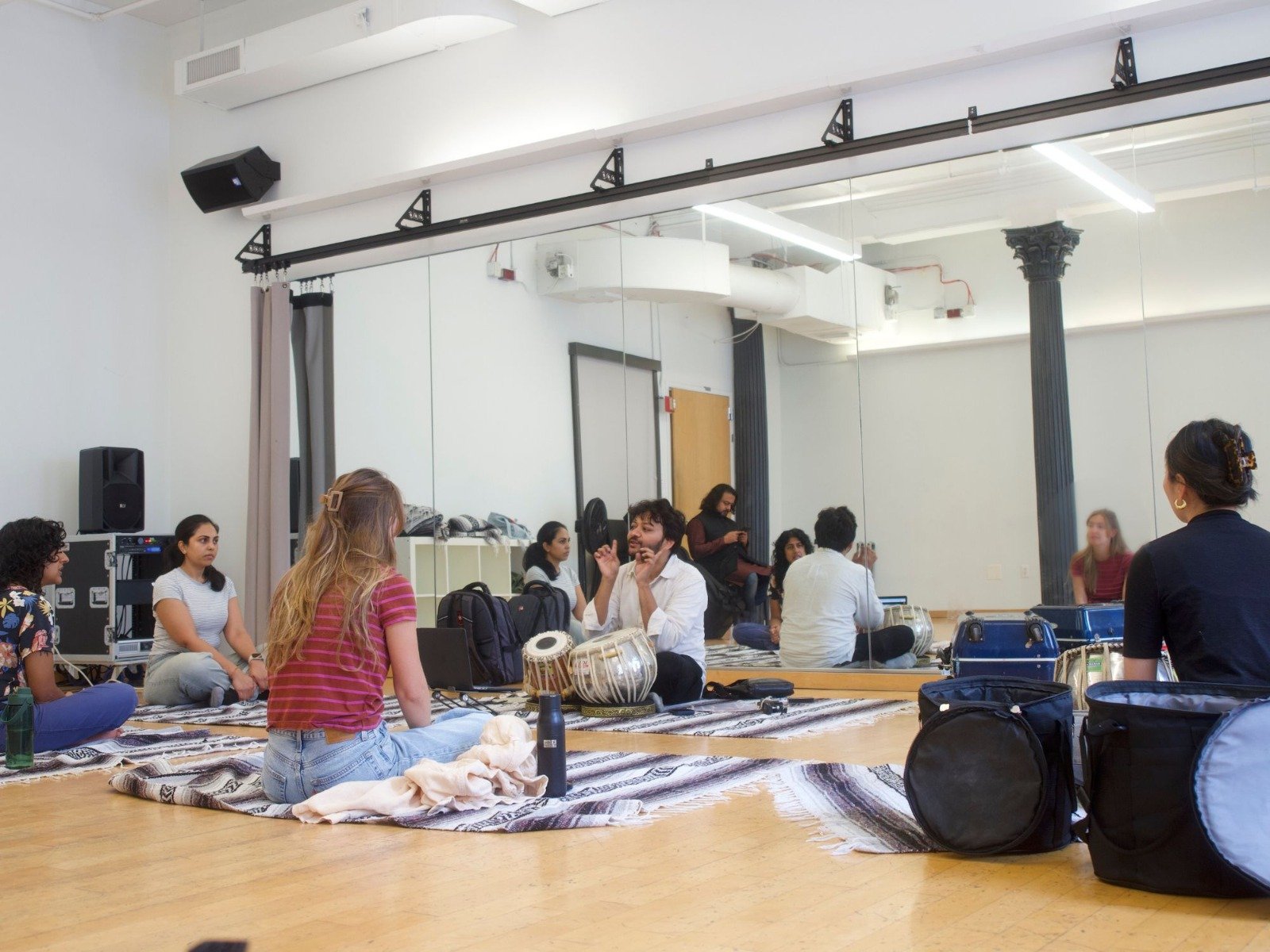
Global music education is increasingly embracing cross-cultural approaches that integrate diverse musical traditions, pedagogical methods, and performance practices. This trend reflects a broader recognition that understanding music beyond one’s own culture not only enriches technical skills but also deepens interpretive insight and creative versatility. By weaving together Western conservatory frameworks with non-Western traditions, educators are fostering musicians who are technically proficient, culturally aware, and adaptable across diverse musical contexts.
Curriculum Integration and Pedagogical Innovation
In contemporary conservatories, curriculum design is evolving to include courses that emphasize global music perspectives. Traditional Western techniques such as harmony, counterpoint, and orchestration are being complemented with modules on rhythm, improvisation, and timbral variation drawn from non-Western traditions. For example, integrating Indian percussion training into a conservatory setting introduces students to intricate tala systems, polyrhythmic patterns, and dynamic articulation techniques that challenge conventional rhythmic frameworks.
These curricular innovations require careful planning to respect the cultural integrity of the music being taught. Instructors often adopt a scaffolded approach, starting with fundamental technical exercises and gradually progressing to more complex improvisational and ensemble applications. This method mirrors Western pedagogical models while accommodating the nuanced demands of non-Western musical systems, ensuring that students develop both precision and expressive depth.
Technique and Skill Development Across Cultures
Technical mastery is the foundation of any conservatory program, and cross-cultural approaches necessitate an expansion of this focus. Musicians trained in Western traditions are encouraged to explore new instrumental techniques, timbral effects, and rhythmic intricacies. Indian percussion training, for instance, emphasizes hand positioning, nuanced finger strokes, and rapid-fire improvisation, which cultivate dexterity and rhythmic sensitivity.
By engaging with these techniques, students refine motor skills and develop a heightened awareness of rhythmic subdivisions and temporal flexibility. The interplay between Western classical technique and Indian rhythmic methodology encourages students to approach familiar instruments with a renewed sense of articulation and phrasing. This synthesis fosters versatility, allowing musicians to navigate complex repertoire that spans multiple cultural idioms.
Ensemble Practice and Collaborative Musicianship
Ensemble training is a critical component of conservatory education, providing a laboratory for collaborative music-making. Cross-cultural ensembles introduce students to diverse sonic textures and interactive practices, often requiring new modes of listening and communication. Incorporating Indian percussion training into ensemble settings, for example, encourages the development of interlocking rhythms, call-and-response structures, and improvisational dialogue.
These collaborative exercises challenge students to move beyond individual virtuosity toward collective cohesion, cultivating skills that are essential for both traditional orchestral settings and contemporary world music projects. The emphasis on rhythmic interplay and real-time adaptation nurtures ensemble awareness and responsiveness, preparing students for careers in international performance contexts.
Performance Practices and Interpretive Depth
Performance is the ultimate laboratory for applying cross-cultural techniques and perspectives. Exposure to multiple musical traditions enhances interpretive choices, phrasing, and expressive nuance. In Western conservatories, students are increasingly encouraged to perform repertoire that incorporates elements of Indian rhythmic cycles, modal systems, and improvisational techniques.
Indian percussion training contributes to this interpretive depth by offering musicians a structured yet fluid framework for rhythm and timing. Students learn to internalize complex cycles and execute intricate patterns with clarity and confidence. When these principles are applied to Western performance settings, they broaden interpretive possibilities, enriching both solo and ensemble presentations.
Furthermore, cross-cultural performances often engage audiences in novel ways, fostering appreciation for global musical diversity. Musicians who can navigate multiple traditions demonstrate cultural sensitivity and intellectual curiosity, traits that are highly valued in professional music spheres.
Progression and Long-Term Musicianship
A cross-cultural approach to music education emphasizes sustained progression and cumulative skill development. Conservatory programs that integrate Indian percussion training or other non-Western practices often structure coursework to ensure a gradual, meaningful progression from foundational techniques to advanced improvisation and performance.
Students begin with technical drills and rhythmic exercises, then advance to structured compositions and finally to improvisational performance within ensemble contexts. This model mirrors Western conservatory progression while respecting the pedagogical philosophy of Indian classical music, which emphasizes long-term mastery, discipline, and improvisational creativity.
Over time, students develop not only technical proficiency but also a holistic understanding of music as a cultural and communicative practice. This progression supports lifelong musicianship, encouraging students to engage with music as both an art form and a vehicle for intercultural dialogue.
Educational Outcomes and Thought Leadership
The impact of cross-cultural approaches extends beyond individual skill development to influence the broader educational environment. Institutions that adopt these methods position themselves as leaders in global music education, shaping curricula that are both rigorous and culturally inclusive. By fostering expertise in multiple traditions, conservatories cultivate musicians capable of contributing to international projects, academic research, and innovative performance collaborations.
Additionally, the integration of practices such as Indian percussion training encourages reflective pedagogy, prompting educators and students alike to consider questions of authenticity, adaptation, and cultural exchange. Thoughtful engagement with these issues strengthens critical thinking and cultivates musicians who are not only technically skilled but also culturally literate and ethically aware.
Conclusion
Cross-cultural approaches in global music education represent a transformative paradigm that bridges technical mastery with cultural awareness. By integrating Western conservatory frameworks with practices such as Indian percussion training, educators create a rich, multifaceted learning environment that fosters versatility, interpretive depth, and collaborative excellence.
The benefits of this approach are manifold: students gain enhanced technical skills, heightened rhythmic awareness, and broadened expressive possibilities. Ensembles become laboratories for intercultural collaboration, and performances offer audiences fresh perspectives on musical traditions. Most importantly, musicians emerge as culturally sensitive, innovative, and globally minded artists prepared to navigate an interconnected world.
As conservatories continue to expand their curricula to embrace global musical perspectives, cross-cultural education will remain a vital force, shaping the next generation of musicians who honor tradition while pioneering new artistic horizons.